Sola-Site-Logo
Search

Home » Blog » What Is A Pergola? The Ultimate 2026 Guide To Modern Outdoor Living

What Is A Pergola? The Ultimate 2026 Guide To Modern Outdoor Living

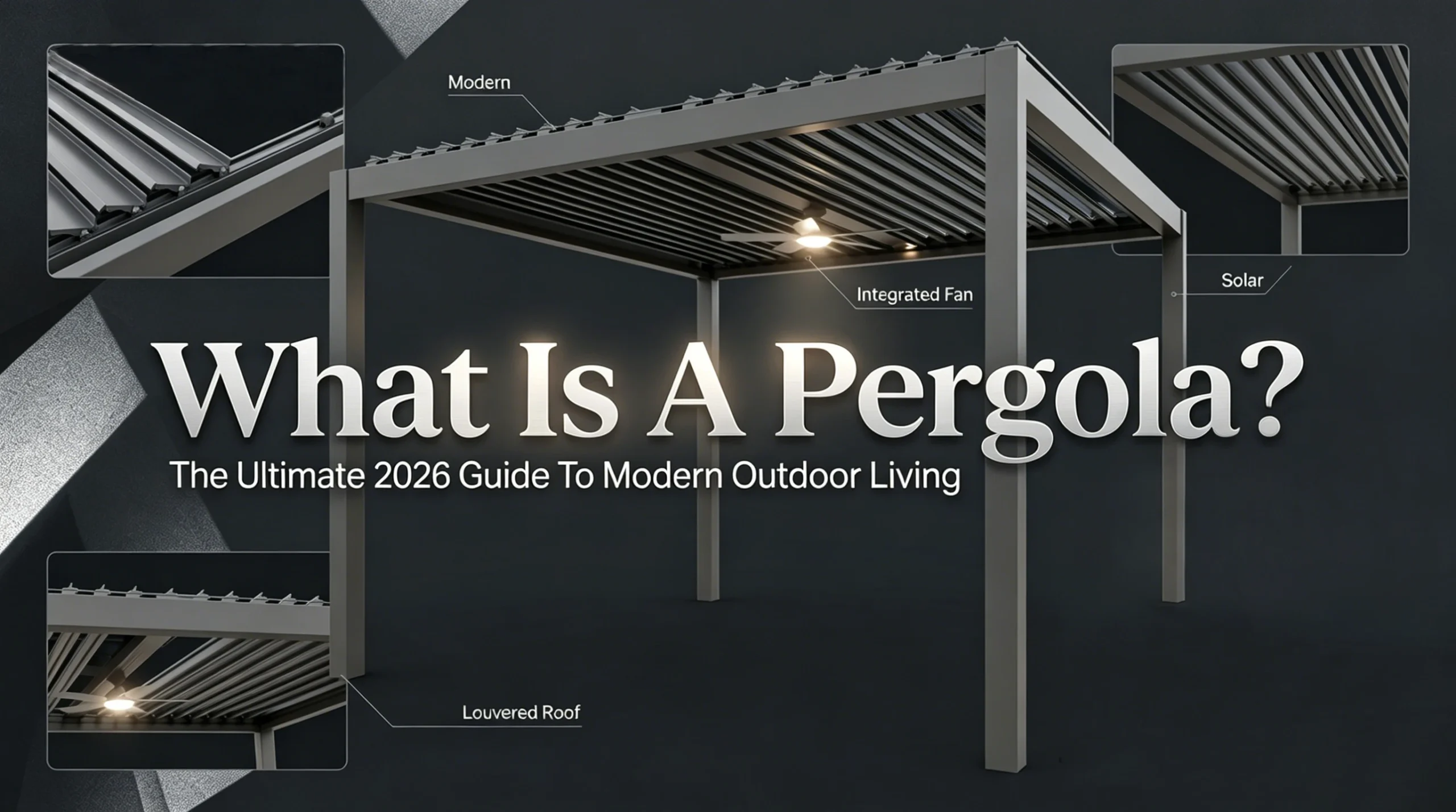
2026 pergola guide blog banner showcasing modern adjustable louver aluminum pergola with built-in fan
If you're considering transforming your backyard, you've undoubtedly heard the term "pergola." But what exactly is a pergola? How does it differ from a gazebo, trellis or arbor? What value can it add to your outdoor space? And most importantly, what kind of pergola is the best investment in 2026?
 
In this comprehensive guide, we'll answer all your questions about pergolas and introduce you to solar pergolas—the revolutionary product that is transforming outdoor living.
What Is A Pergola?

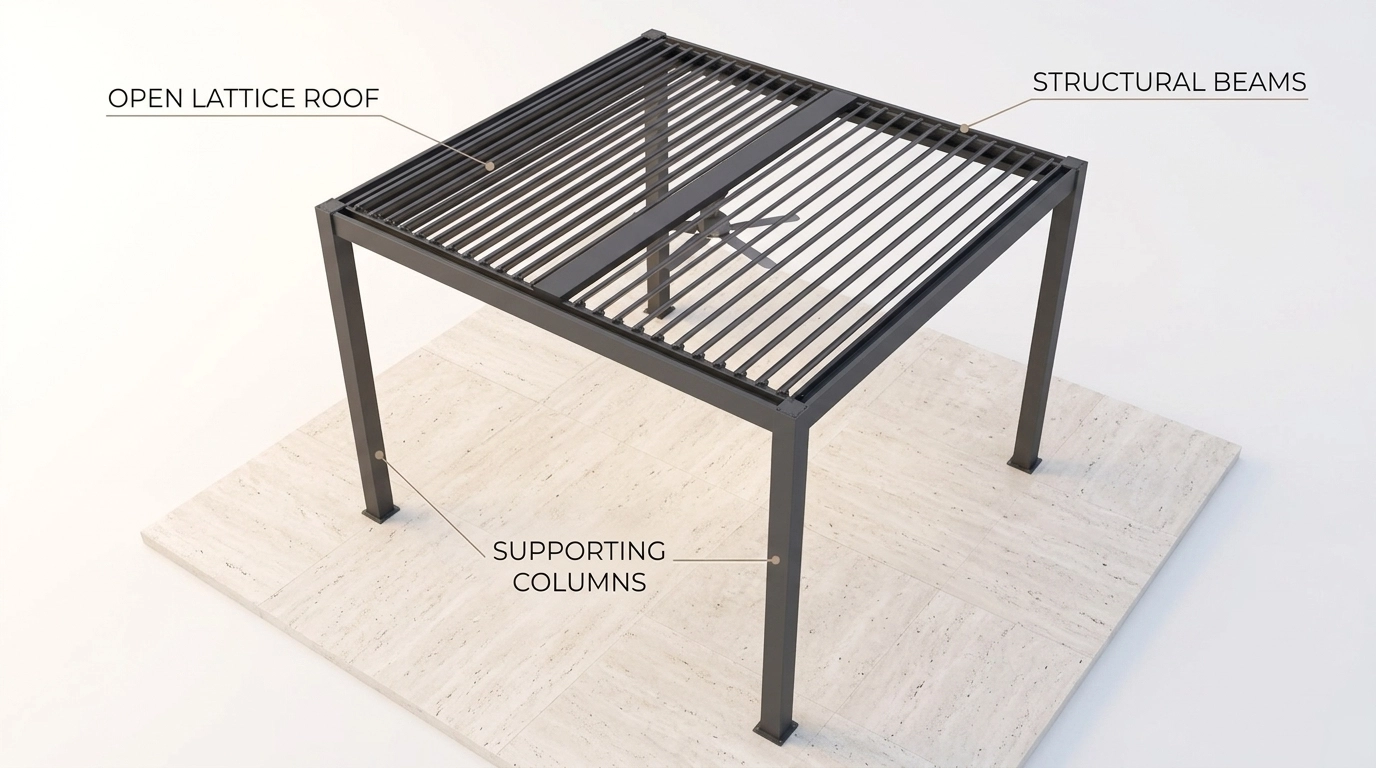
Aluminum pergola diagram highlighting key components: supporting columns, structural beams, and open lattice roof.
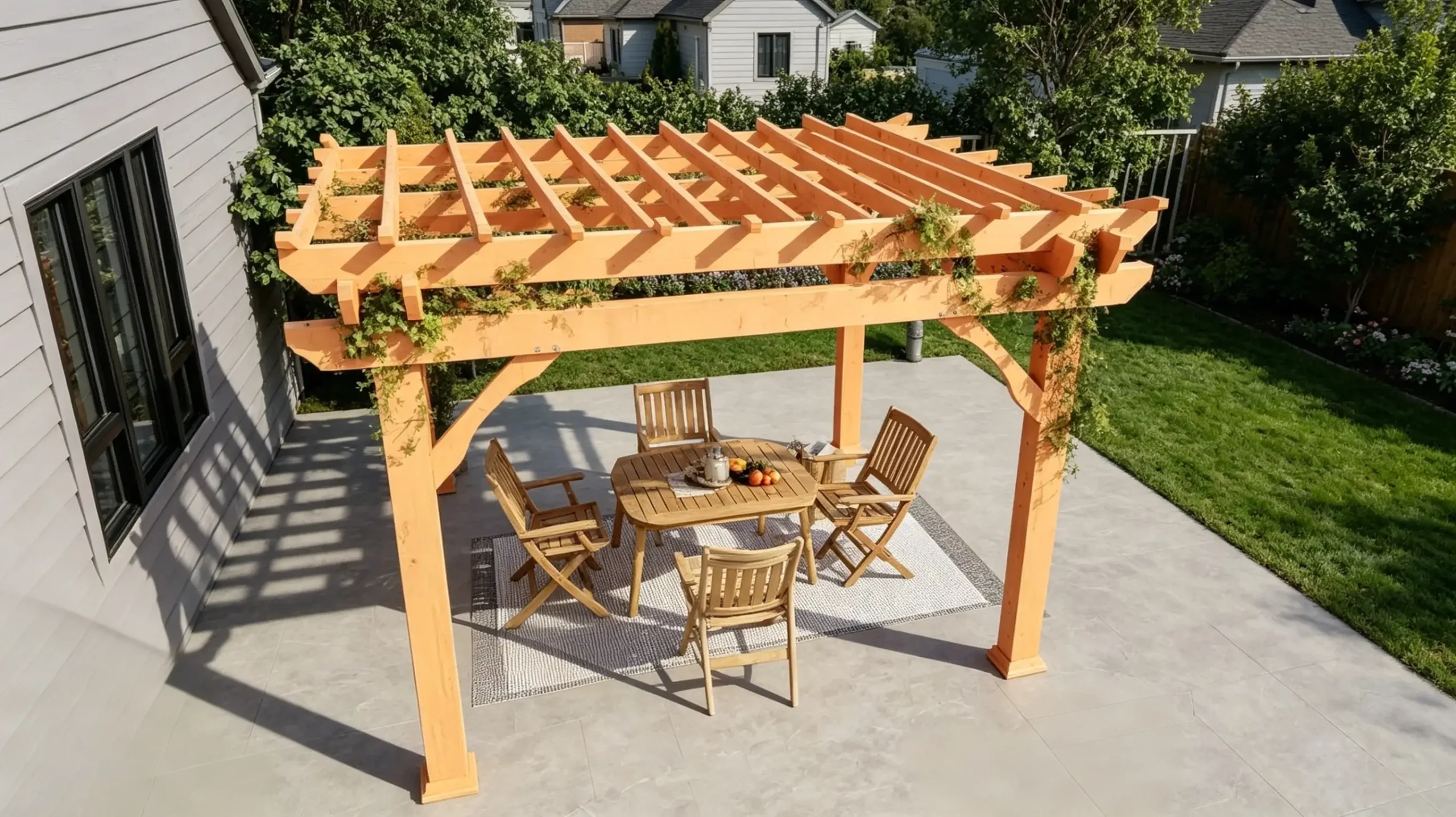
The pergola is one of the most popular outdoor structures today. It features supporting columns and an open lattice roof. Common types include freestanding, attached and integrated styles. It perfectly turns outdoor spaces into cozy areas with great practicality and visual appeal.

Pergolas vs Other Outdoor Structures

Many people confuse pergolas with other outdoor structures. Here's a detailed comparison to help you understand the differences:

  • Gazebos
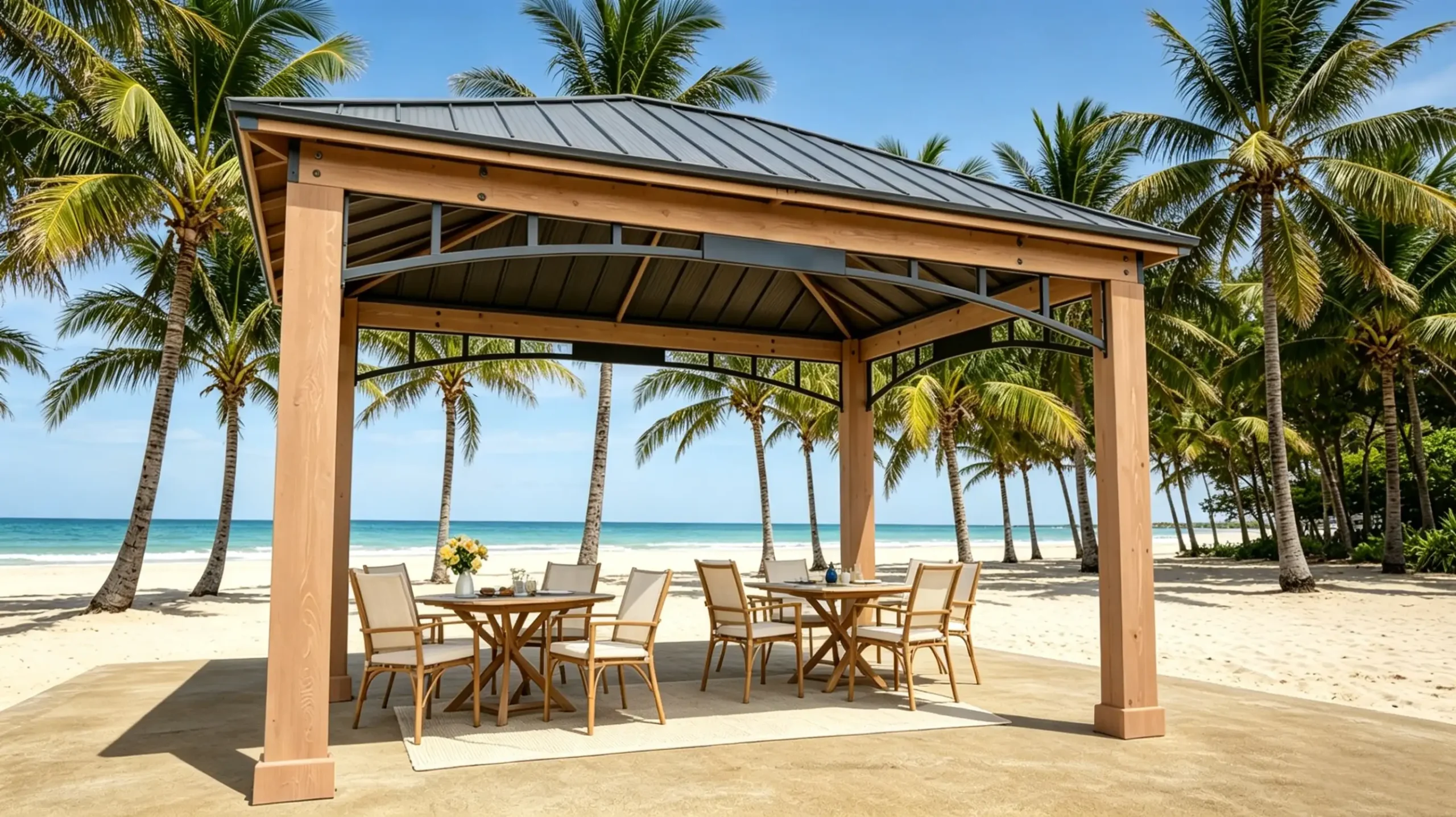
Fully enclosed structures with peaked roofs that provide complete shade and rain protection. However, their solid walls and roofs severely limit air circulation, making them hot and stuffy in warm weather. 
  • Trellises

Lightweight lattice structures designed primarily to support climbing plants like vines and roses. While they add decorative appeal to gardens, trellises provide almost no shade or weather protection. 

  • Arbors

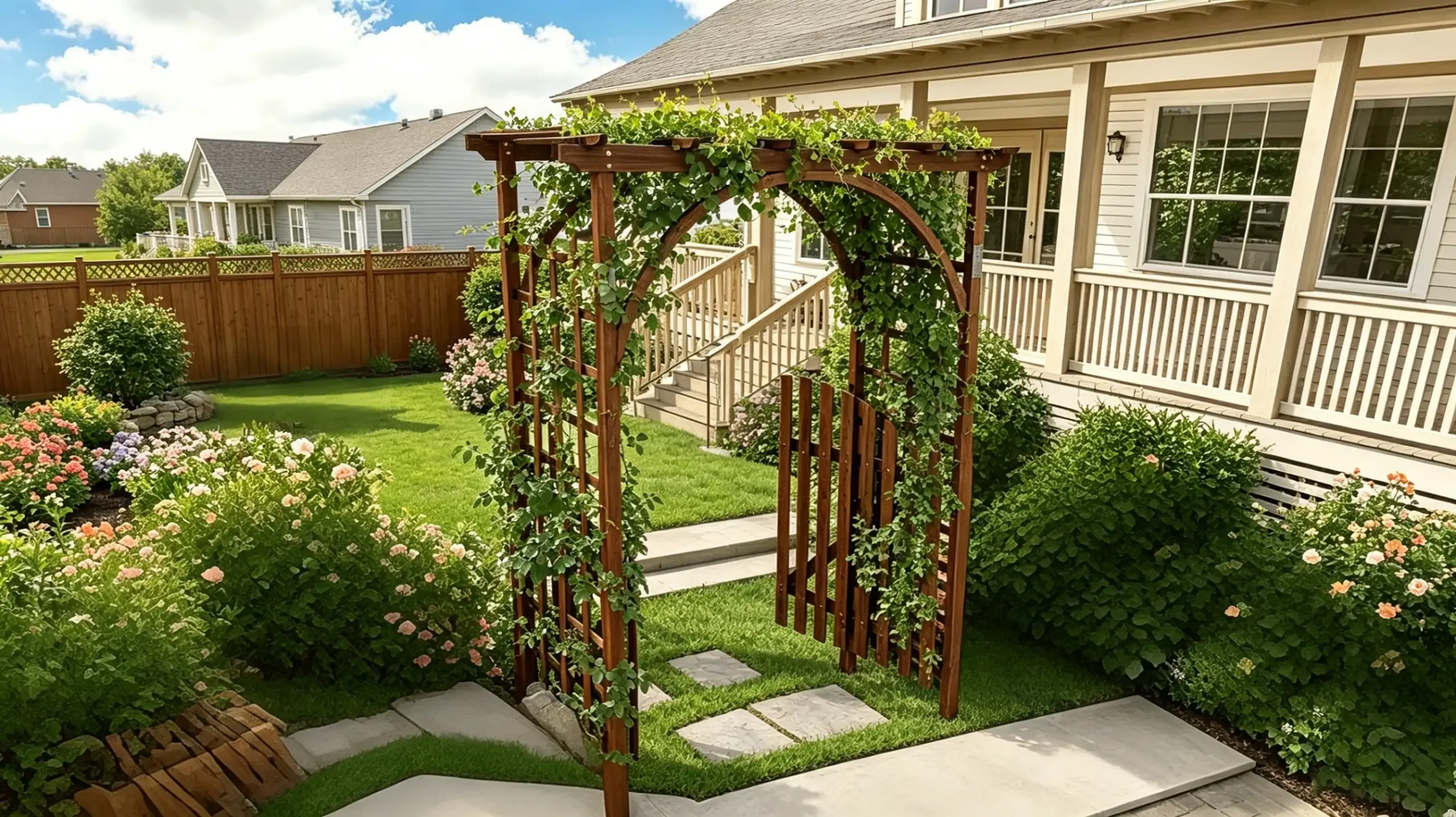
Small, arched structures typically used to mark garden entrances or frame pathways. Like trellises, arbors are mainly decorative and designed to support climbing plants. They are too small and fragile to provide usable outdoor living space or significant shade.

Why should you install a pergola?

1. Create an exclusive outdoor living space

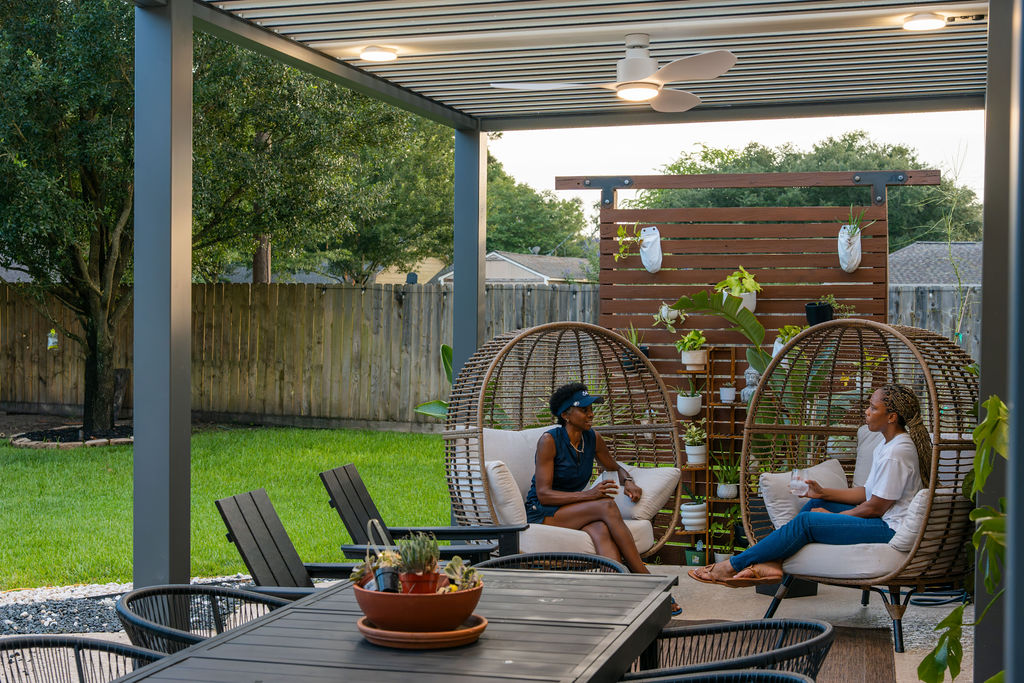
A pergola transforms underutilized empty space in your backyard into a fully functional outdoor room. It gives your outdoor furniture a purpose and creates a dedicated area for dining, entertaining, and relaxation.

2. Provides Adjustable Shade And Comfort

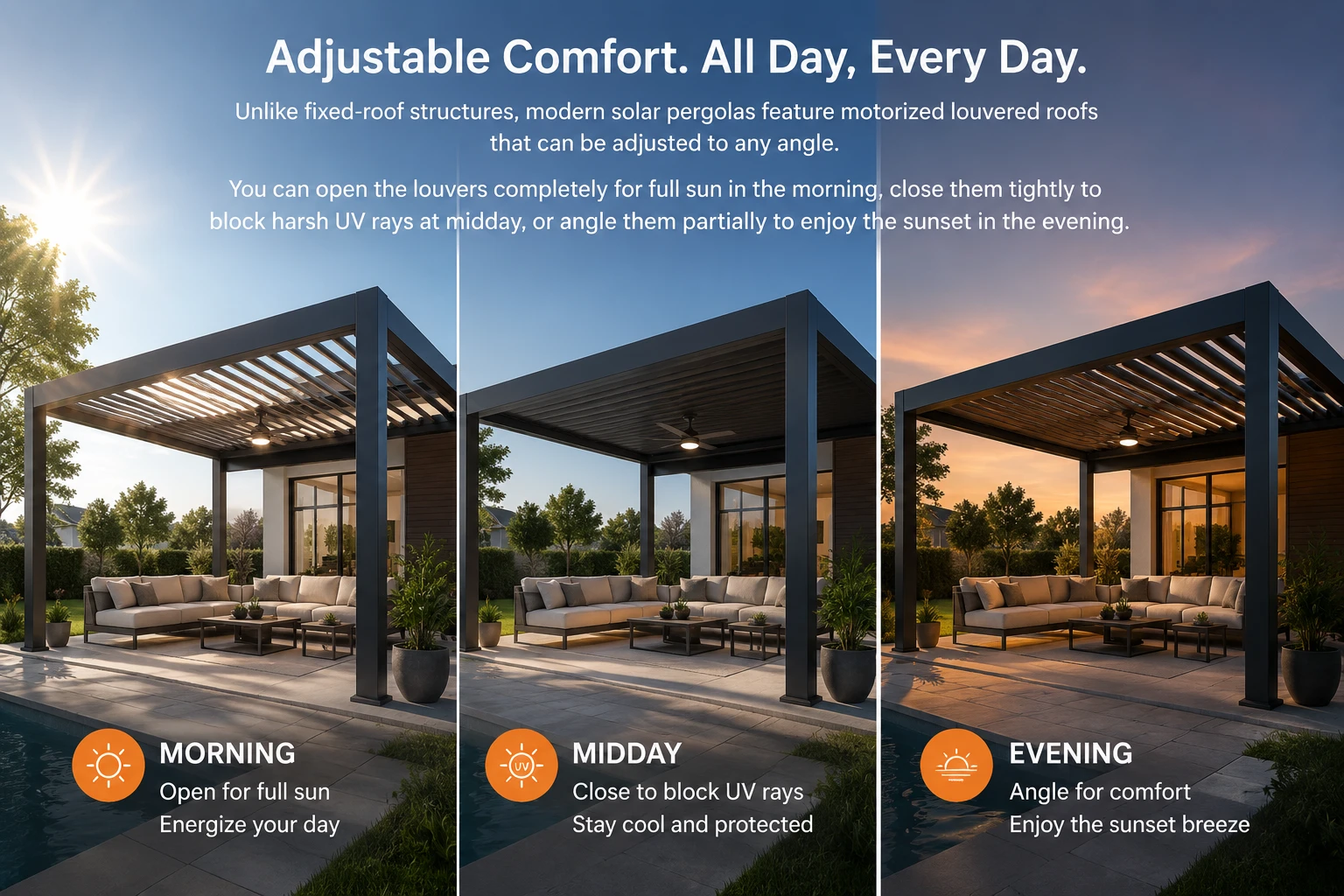
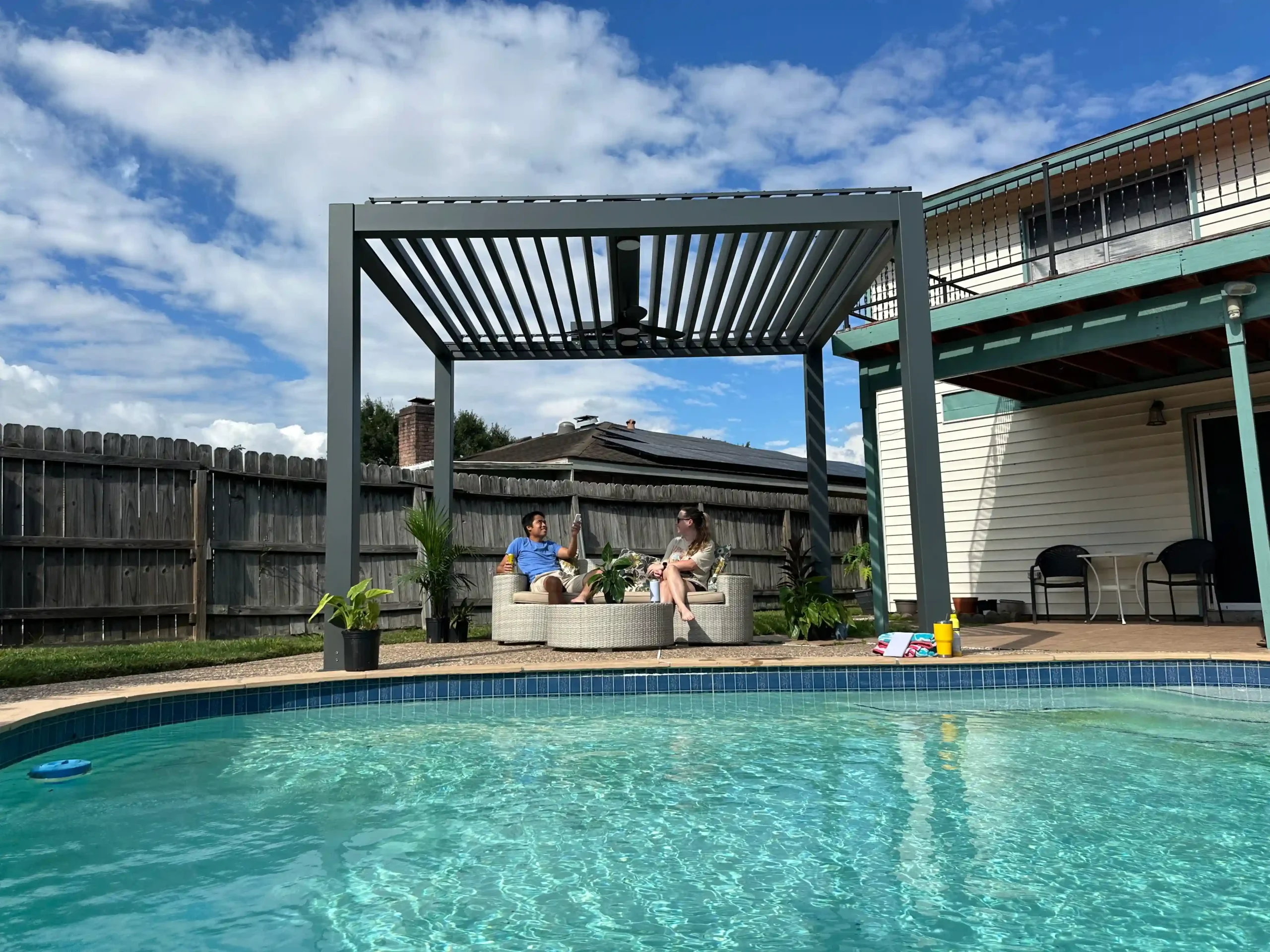
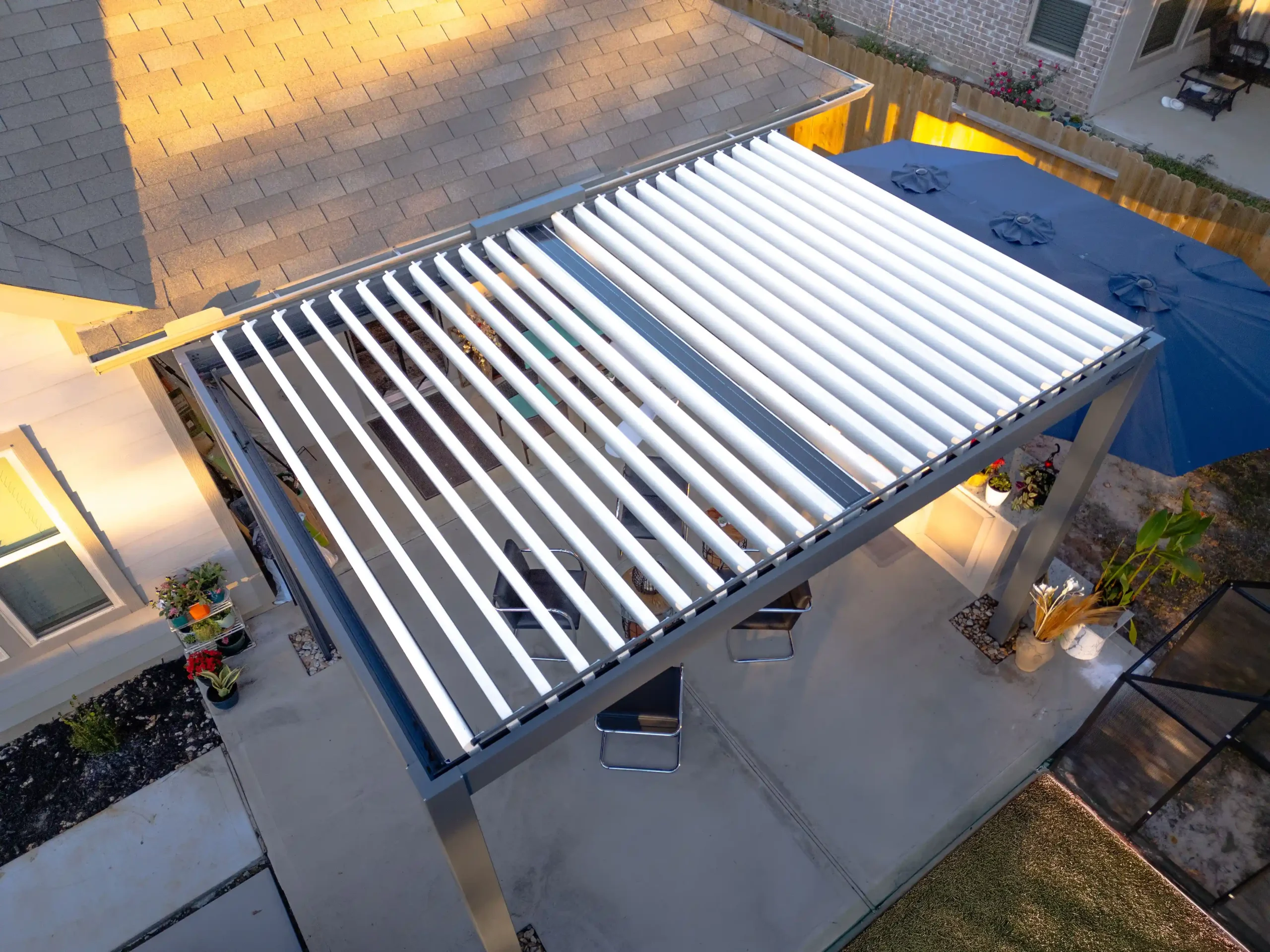
Unlike fixed-roof structures, modern solar pergolas feature motorized louvered roofs that can be adjusted to any angle. You can open the louvers completely for full sun in the morning, close them tightly to block harsh UV rays at midday, or angle them partially to enjoy the sunset in the evening.

3. Enhances Curb Appeal And Home Value

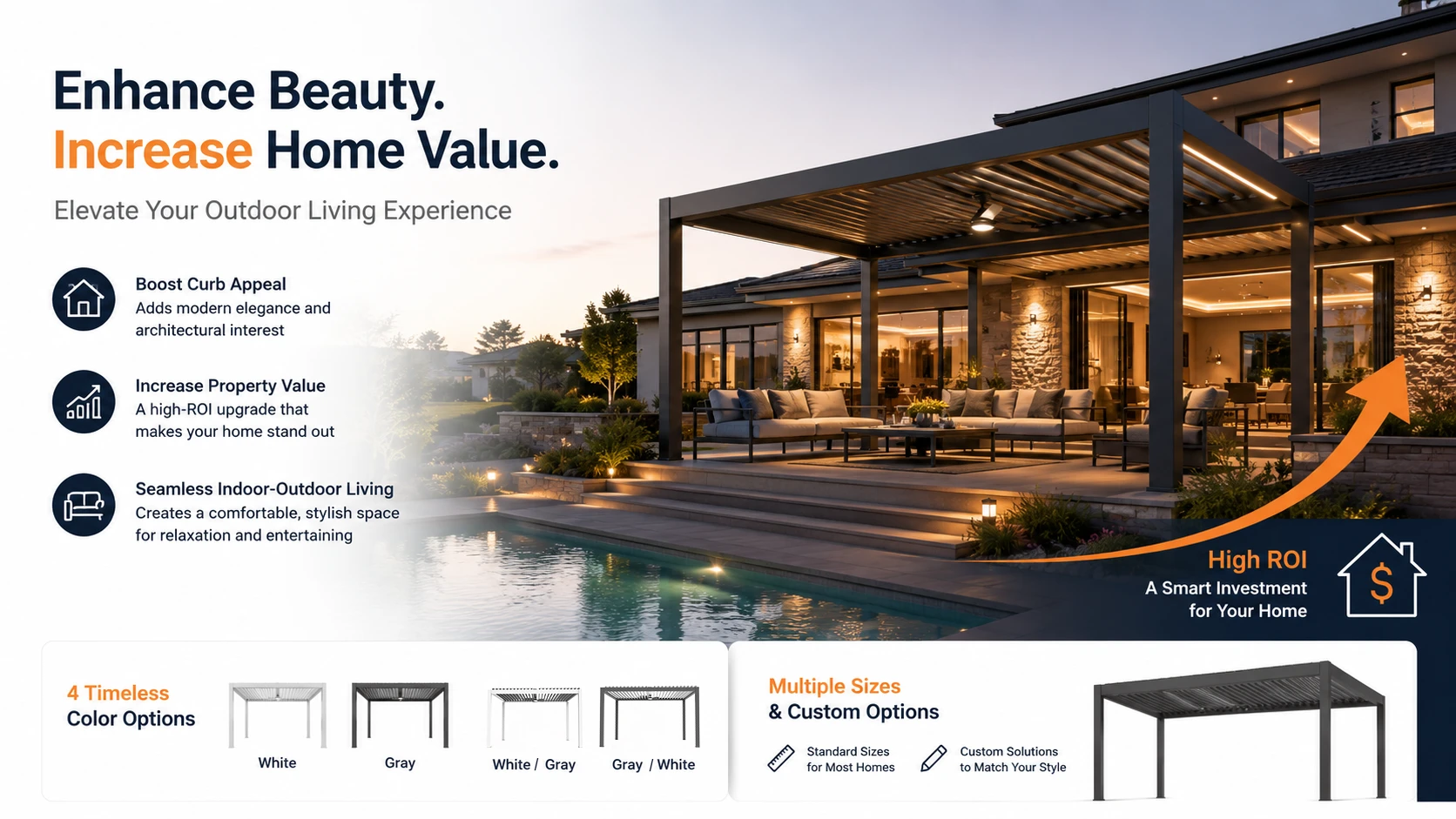
After installing a pergola, not only can its appearance be significantly enhanced, but it can also increase the value of the house. It adds architectural interest, creates a sense of luxury, and seamlessly connects indoor and outdoor living spaces.

For the four default color schemes and regular sizes we offer, Solar Pergola has met the needs of most users, balancing style and functionality, making it an ideal choice for modern outdoor aesthetics.

Of course, if you have other pursuits, you can definitely contact us for customized services to choose colors and sizes that match your architectural style, ensuring that it perfectly blends with your overall design concept.

4. Enhances Privacy

Custom Outdoor Living Space: Real-Life Photo Showcase 2
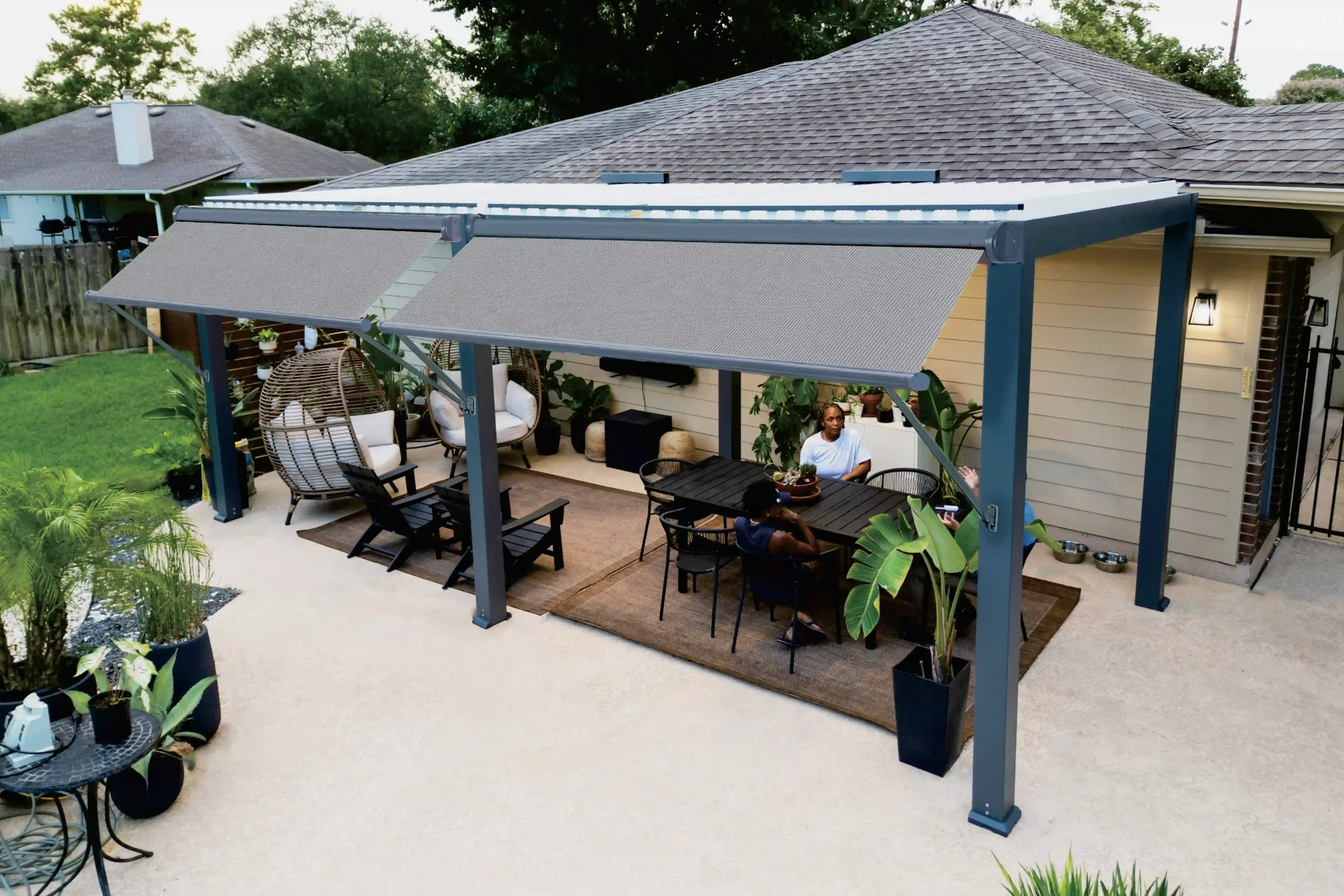
Backyard patio featuring a modern pergola with installed drop arm awnings, providing shade for outdoor dining and relaxation.

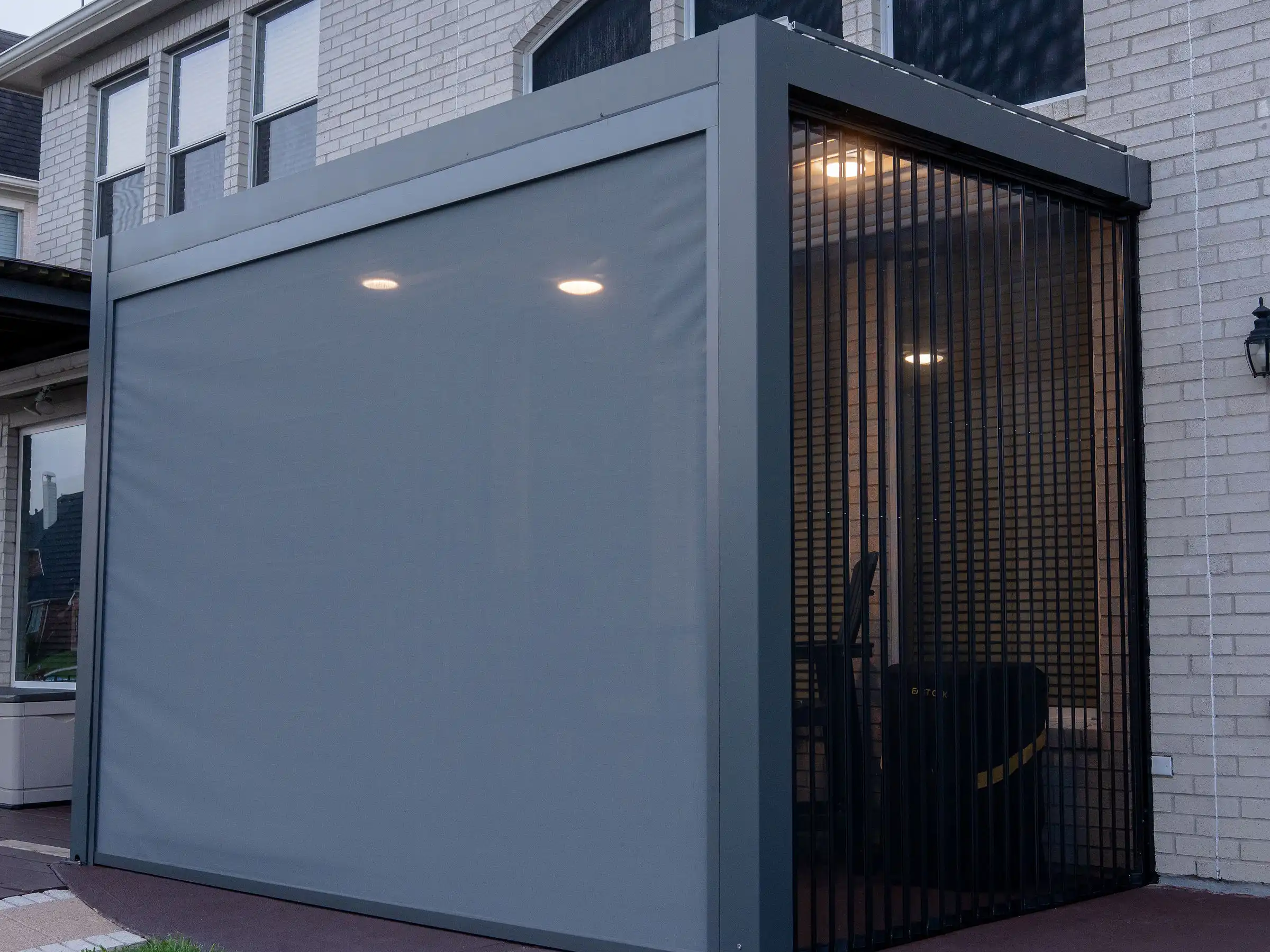
By installing privacy solutions such as retractable roller blinds or drop arm awnings, you can easily create a private space inside the pergola, avoiding being watched by neighbors. This is particularly important for residential areas in densely populated areas.

5. Extends Your Outdoor Living Season

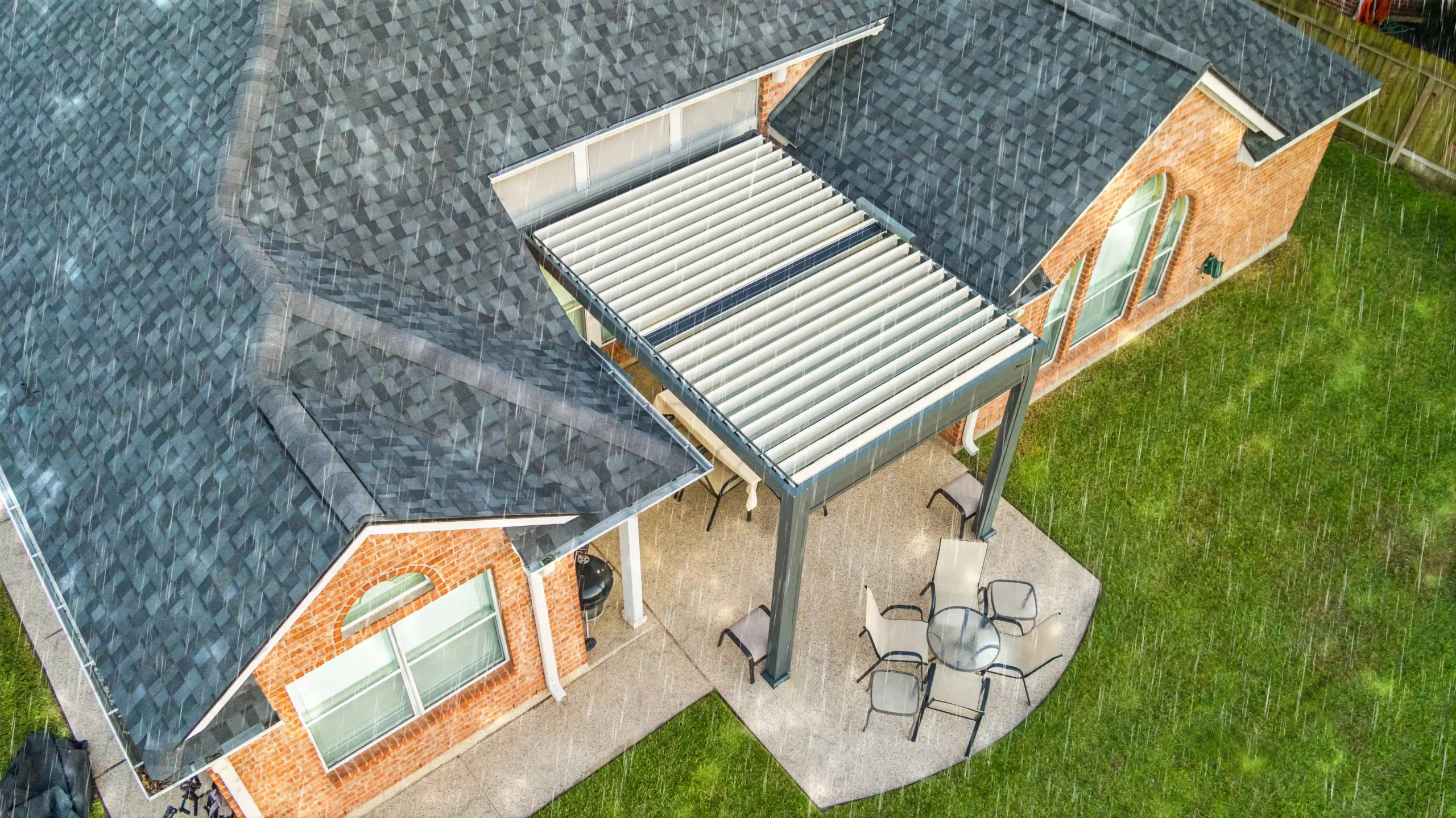
With a solar pergola, you're no longer limited by mild weather changes. Adjustable louvers block harsh sunlight and sudden drizzle, letting you relax outdoors comfortably throughout spring, summer and fall. The waterproof roof keeps you sheltered from light rain, making your outdoor space usable in more daily scenarios.

Pergola Materials Comparison

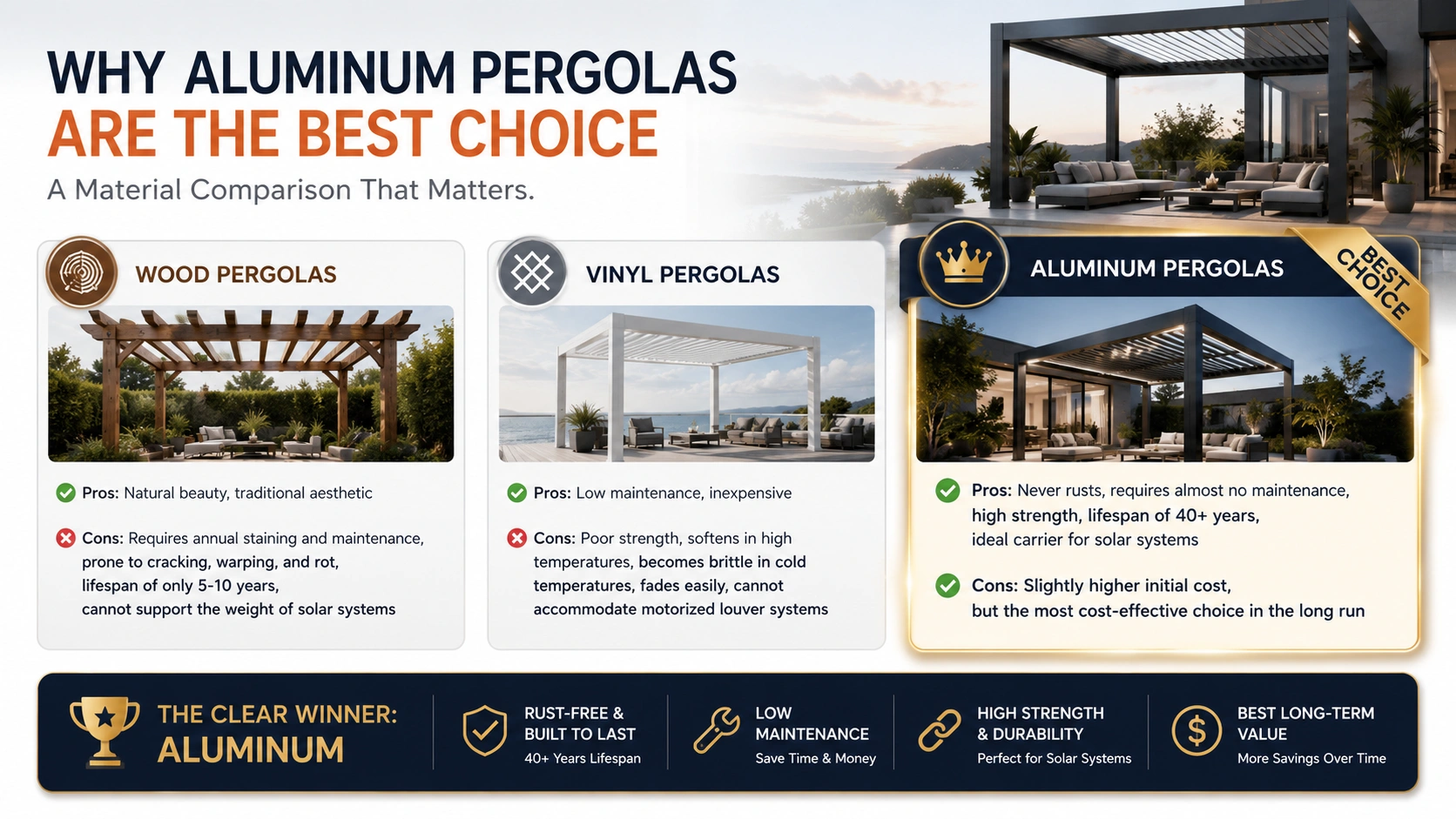
Pergola typically has three main material options: wood, vinyl, and aluminum. In practice, only aluminum is suitable for modern solar pergolas:

Wood Pergolas

  • Pros: Natural beauty, traditional aesthetic
  • Cons: Requires annual staining and maintenance, prone to cracking, warping, and rot, lifespan of only 5-10 years, cannot support the weight of solar systems

Vinyl Pergolas

  • Pros: Low maintenance, inexpensive
  • Cons: Poor strength, softens in high temperatures, becomes brittle in cold temperatures, fades easily, cannot accommodate motorized louver systems

Aluminum Pergolas

  • Pros: Never rusts, requires almost no maintenance, high strength, lifespan of 40+ years, ideal carrier for solar systems
  • Cons: Slightly higher initial cost, but the most cost-effective choice in the long run

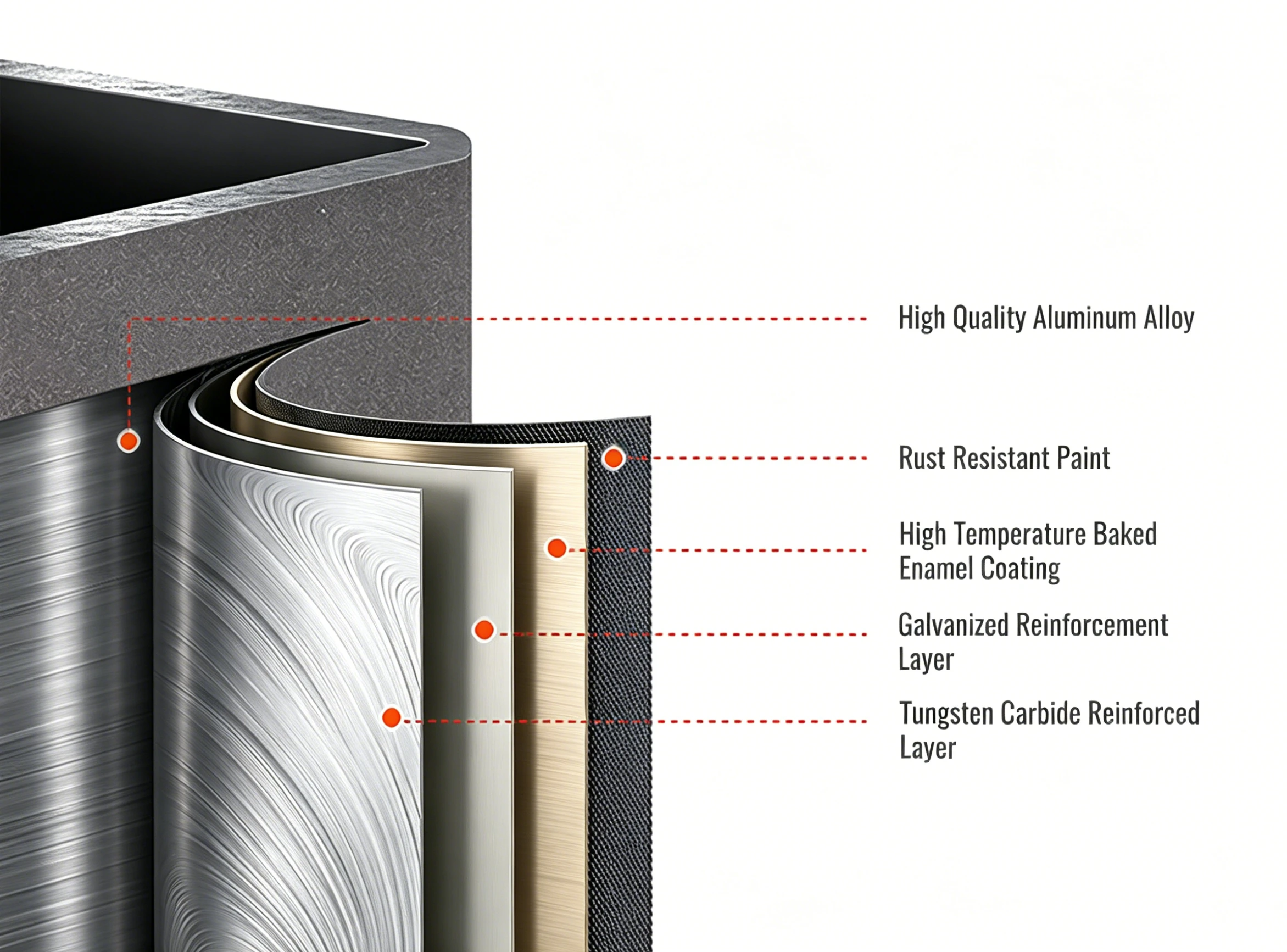
Our solar pergolas are all manufactured from 6063-T5 aircraft-grade aluminum, treated with both anodization and powder coating to withstand all harsh weather conditions.

4 Most Popular Pergola Style In 2026

1. Free-Standing Pergolas

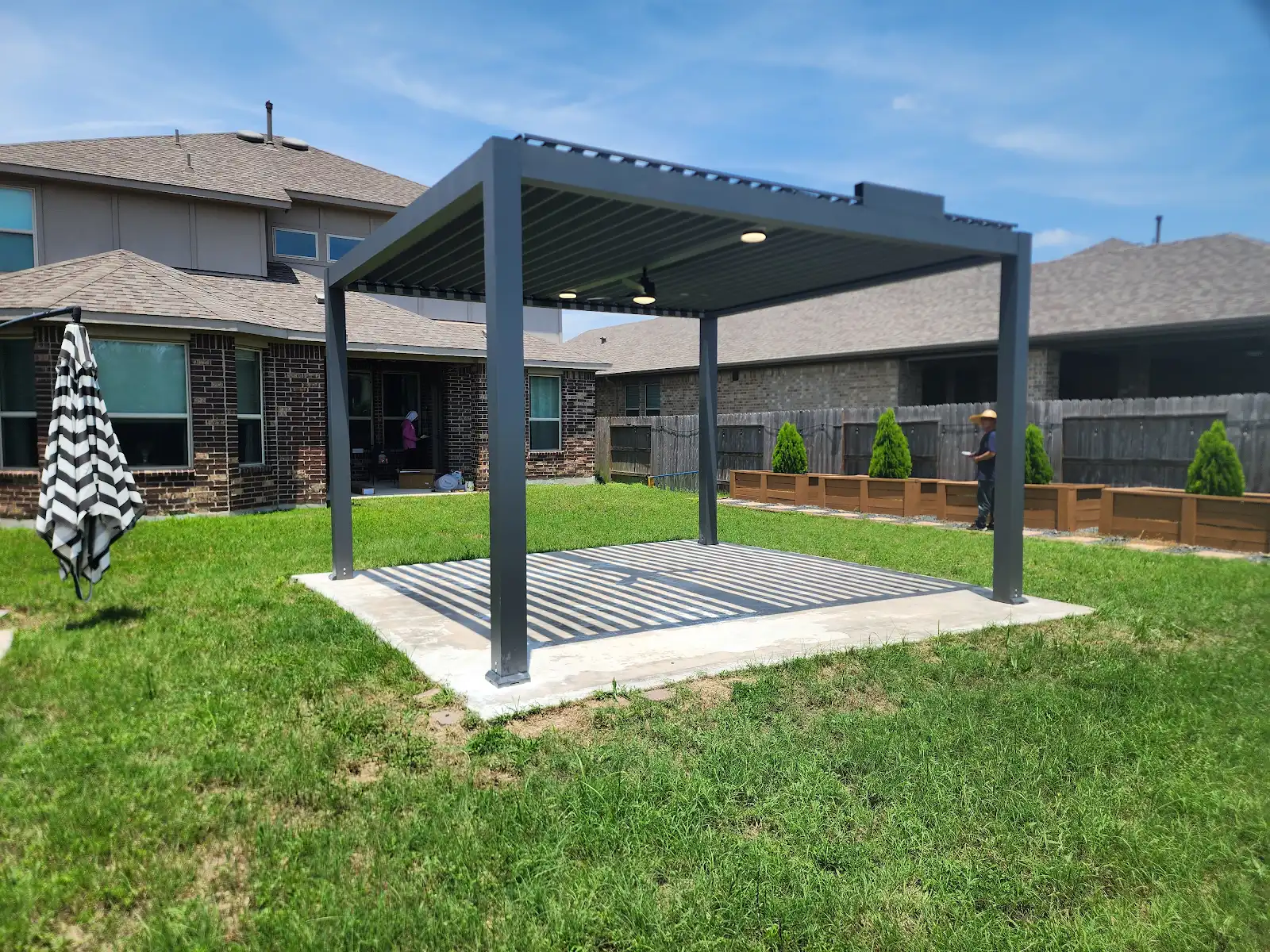
Free-standing pergolas can be installed anywhere in your yard, making them the most flexible option. They're perfect for creating a private garden retreat away from the house or covering a poolside lounge area.

2. Attached Pergolas

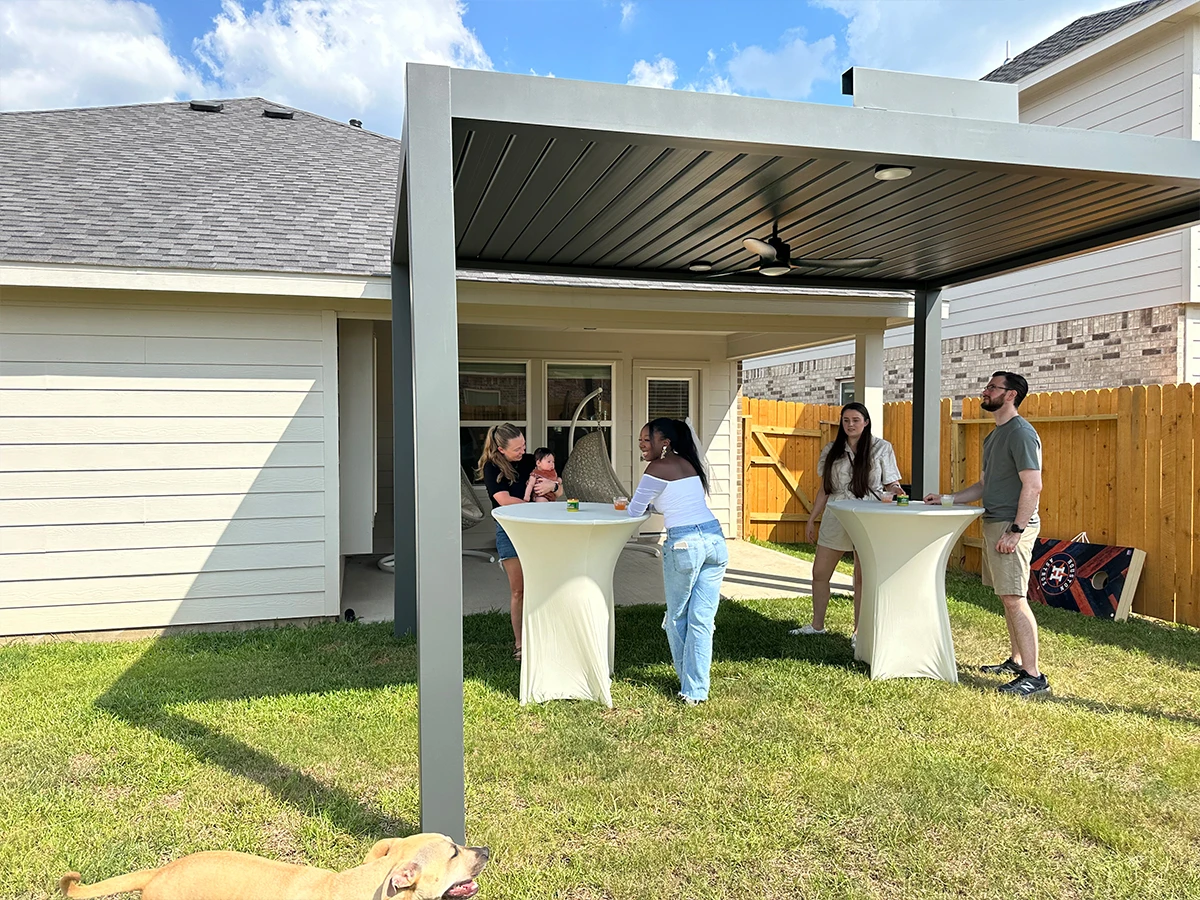
Attached pergolas connect directly to the wall of your house, creating a seamless transition from indoors to outdoors. They're ideal for covering patios or porches and extending your living space.

3. Integrated Pergolas

 
Integrated pergolas are designed to be part of the house's architecture, blending perfectly with the home's style. They're usually designed and installed at the same time as the house is built for the most aesthetically pleasing result.
 

4. Solar Louvered Pergolas

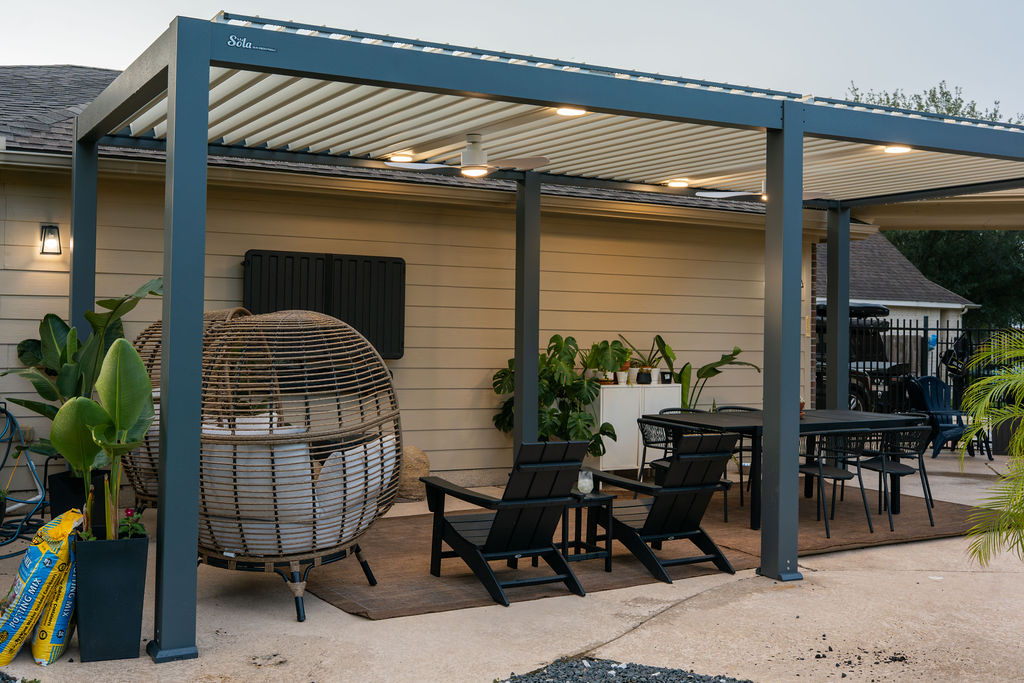
This is the most popular pergola style in 2026. Solar louvered pergolas feature adjustable motorized louvered roofs and integrated solar power systems, offering unparalleled flexibility and functionality. The solar energy solely powers the louver movement, built-in fans and lighting fixtures of the pergola itself, delivering self-sufficient operation.

Solar Pergola vs Traditional Pergola

FeatureSola Solar PergolaTraditional Pergola
Roof TypeAdjustable motorized louvered roofFixed crossbeam roof
Power SupplySolar self-powered, 24V low voltageRequires 110V AC connection
Integrated FeaturesBuilt-in LED lights + ceiling fanNone, additional cost for add-ons
Installation CostLow, no electrician neededHigh, requires professional electrician
Operating CostZero electricity costsOngoing electricity expenses
Rain Protection100% waterproofMinimal rain protection
Lifespan40+ years10-20 years
Environmental ValueGenerates clean energy, reduces carbon footprintNone
When it comes to solar pergola, landlords tend to assume that it means installing solar panels on the roof. However, solar pergola and solar roof are actually two completely different concepts that may seem similar at first glance, but have completely different uses. We have a dedicated article that provides a detailed comparision between these two solutions.

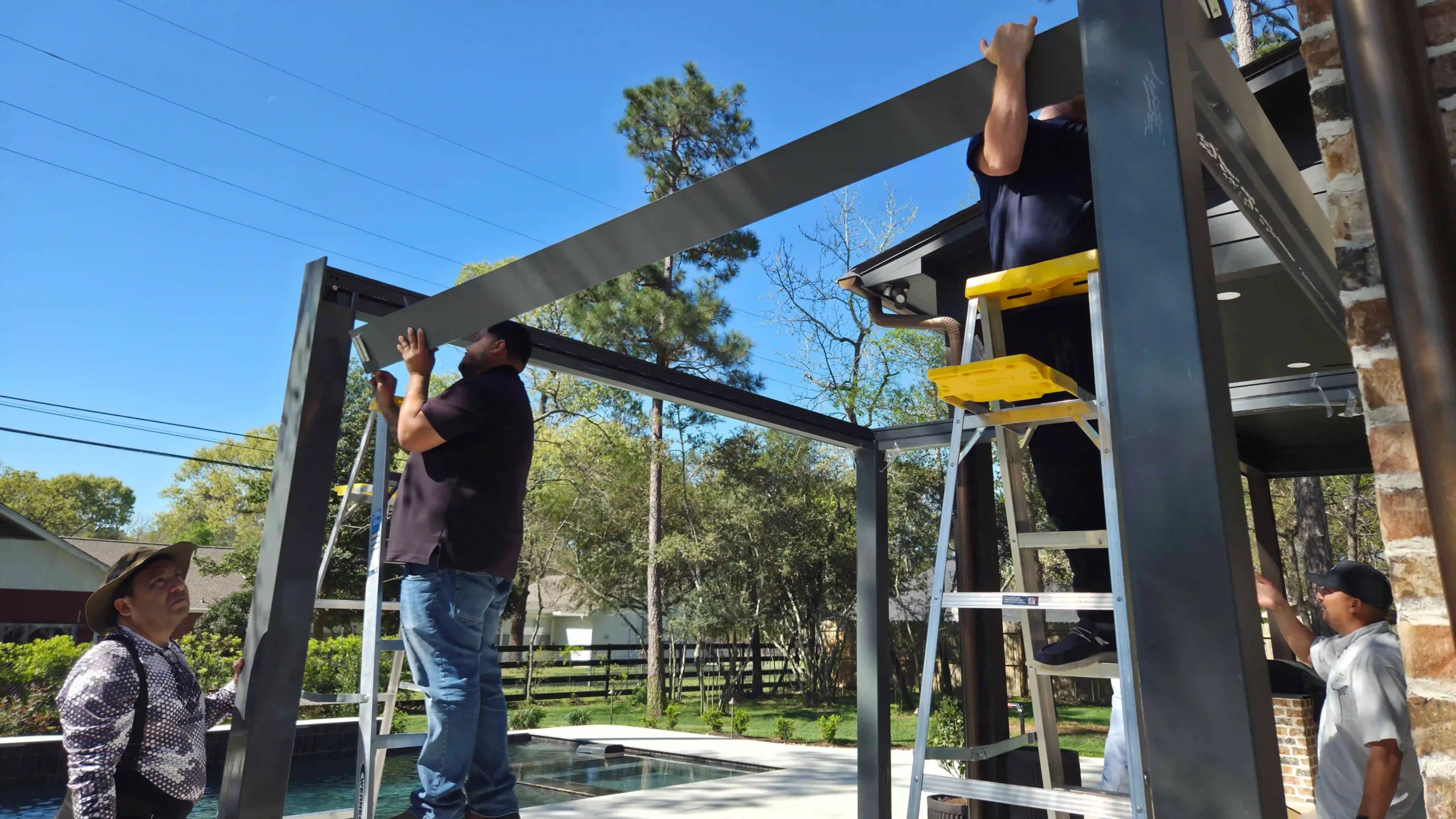
How to Install A Pergola: DIY or Professional Installation?

Professional installers assembling an aluminum louvered pergola on a residential backyard patio

DIY Installation

  • Pros: Cost saving, flexible time, and a sense of achievement
  • Cons: Complex installation, requires specialized knowledge, risk of mistakes, time-consuming, no warranty coverage

Professional Installation

  • Pros: Fast and efficient, handled by experienced teams, includes engineer-stamped drawings, ensures code compliance, complete warranty coverage
  • Cons: Slightly higher initial cost, scheduling coordination, less control
For modern solar pergolas, we strongly recommend professional installation. Solar systems require specialized knowledge and skills to install correctly, and professional installation ensures the safety and performance of your system.

Solar Pergola Maintenance Guide

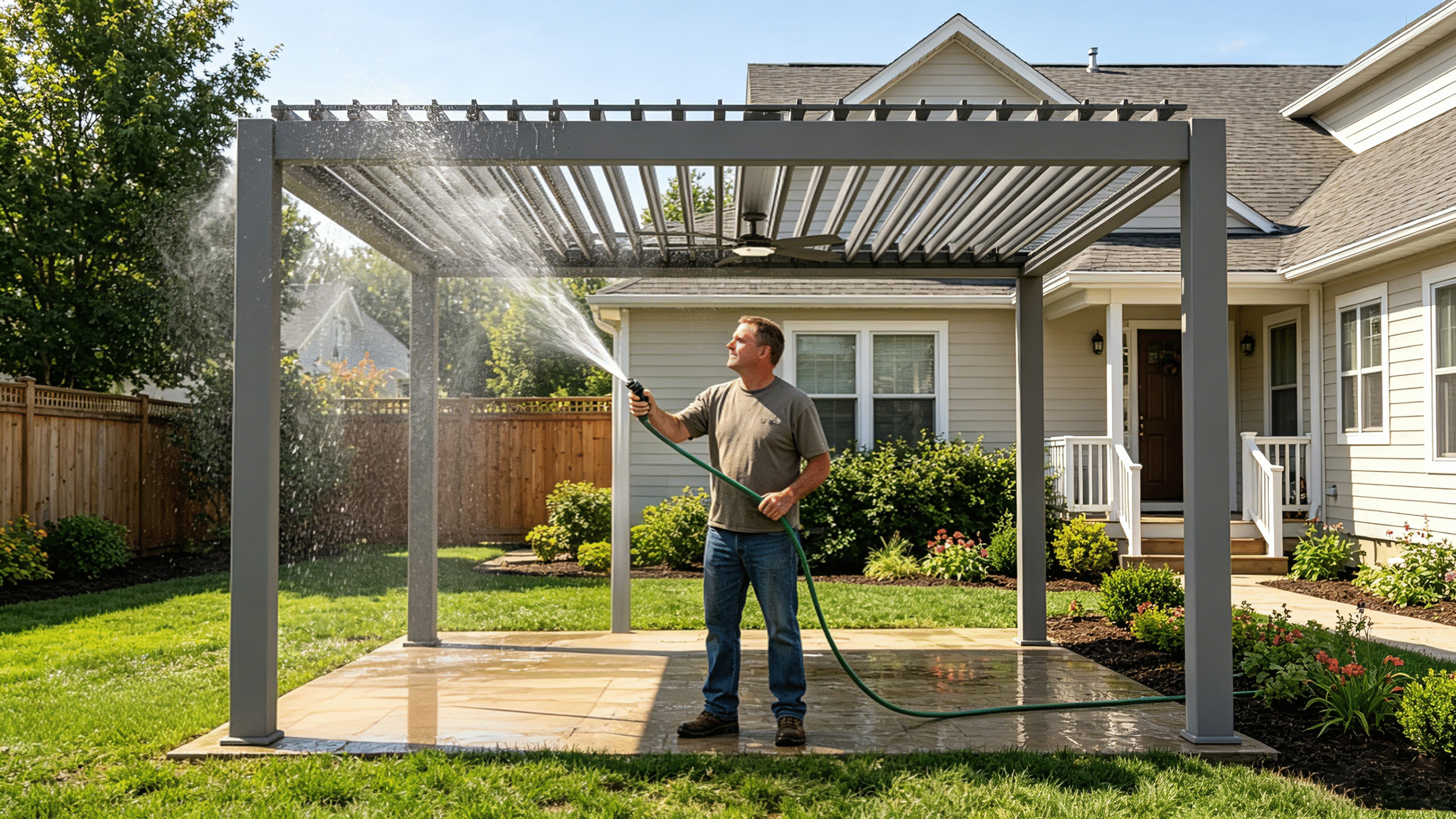
Solar pergolas require almost no maintenance, only a simple annual cleaning:
1. Rinse dust and dirt from the frame and louver blades with a garden hose
Homeowner rinsing durable aluminum louvered pergola with garden hose in residential backyard patio

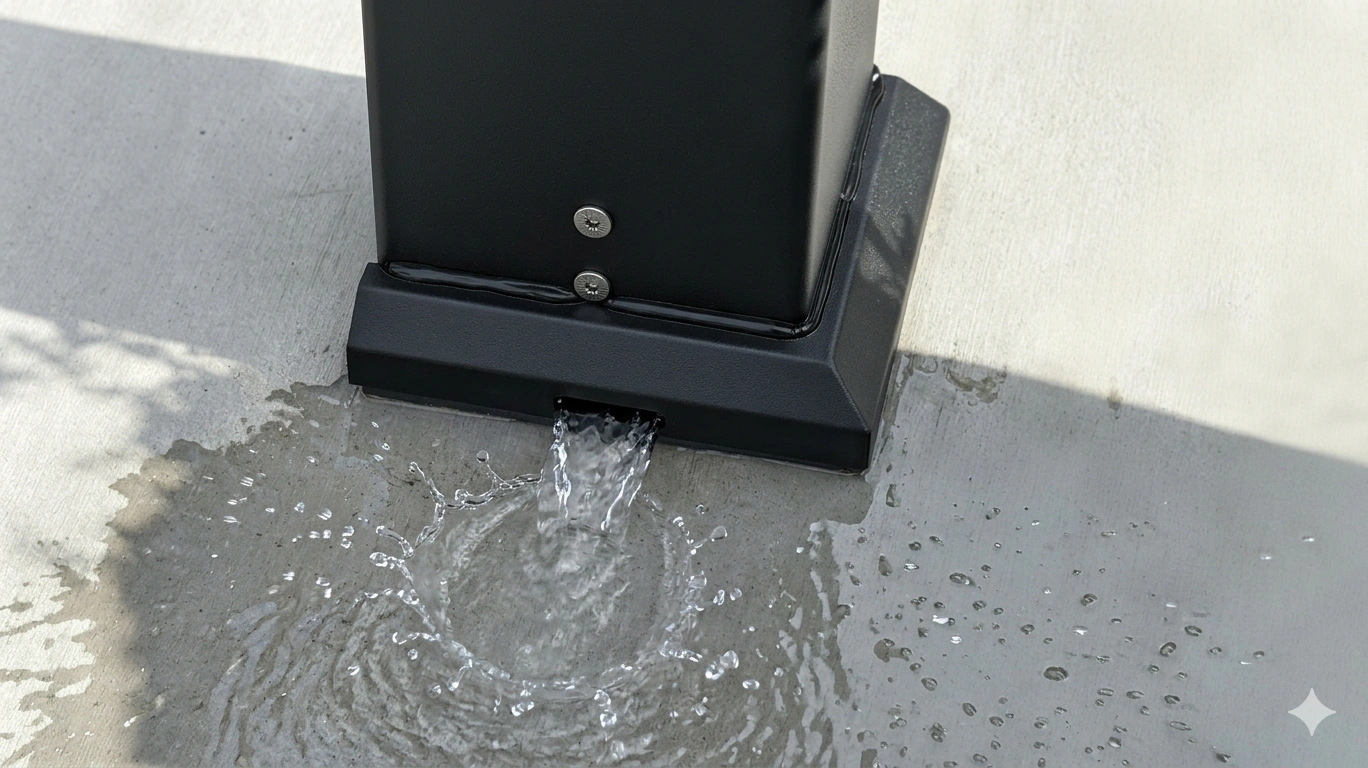
2. Check that the drainage system is clear and unobstructed

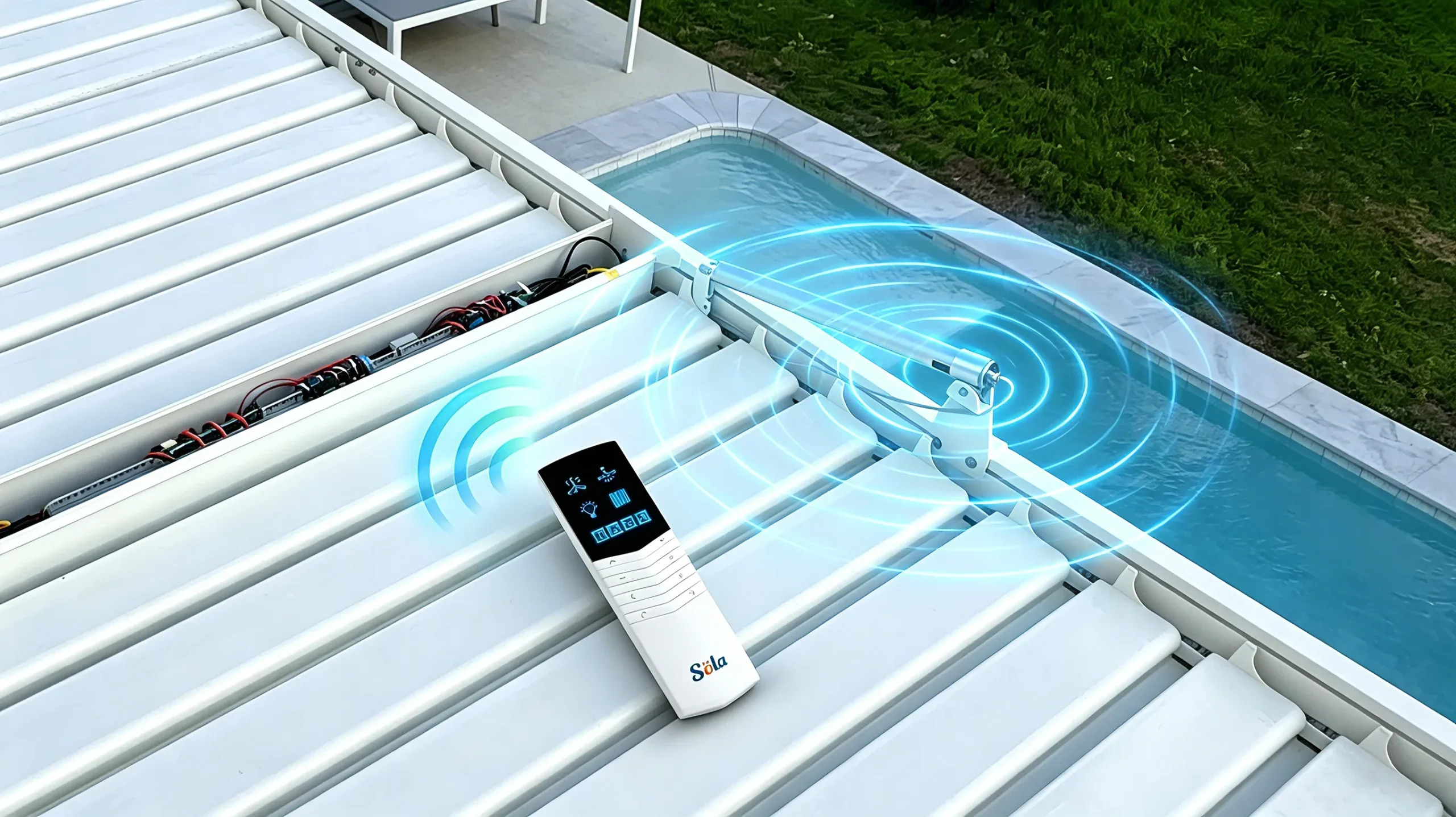
3. Test the motor and control system to ensure proper operation

Test the operation of the white aluminum canopy motor with a remote control

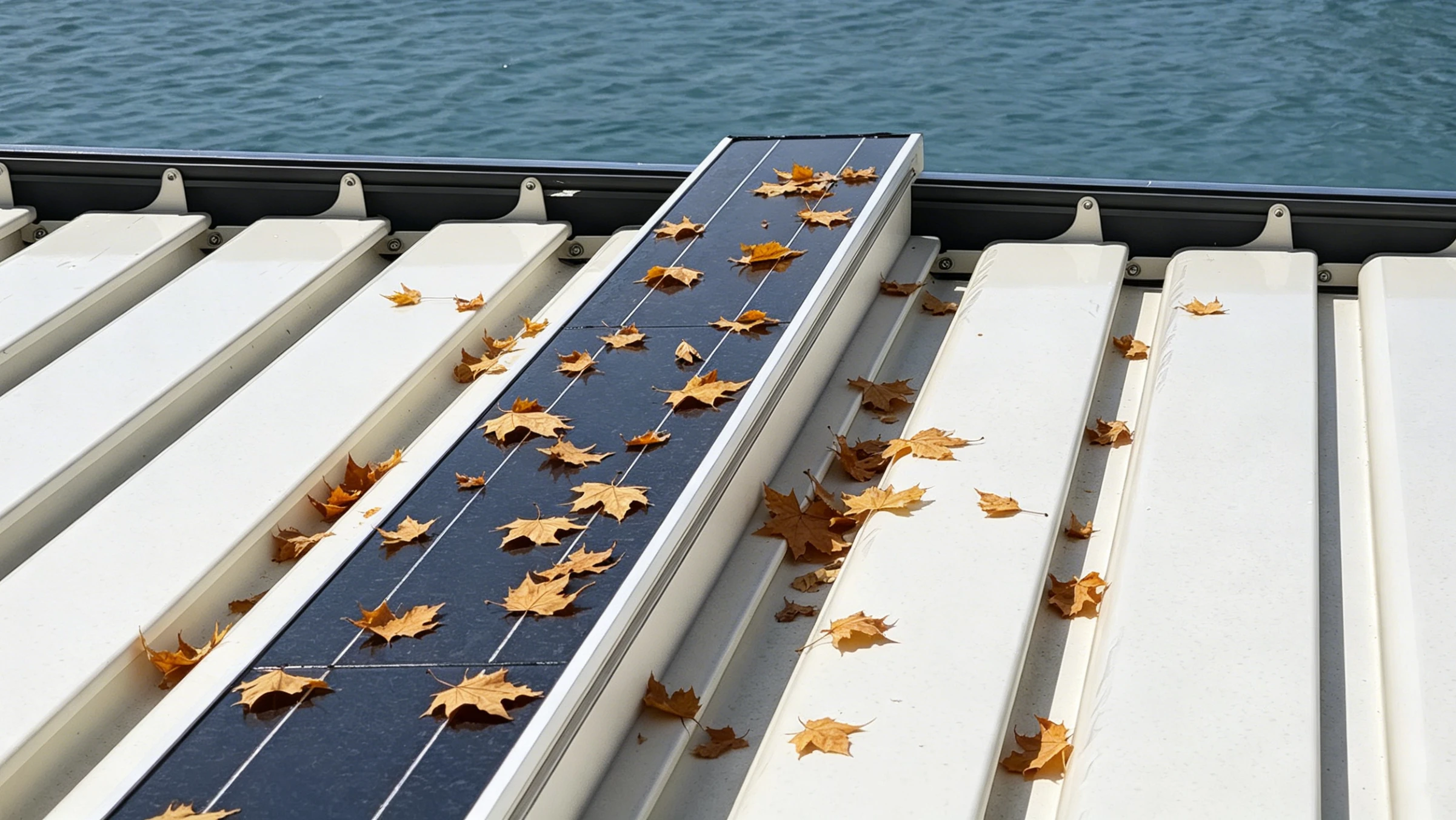
4. Inspect solar panel surfaces for any debris or shading

The maple leaves covering the canopy of the solar panels to some extent reduce the efficiency of solar energy
If you plan to add enclosures to your pergola, we also have a dedicated maintenance guide covering screens, walls, and doors.

Common Applications For Solar Pergolas

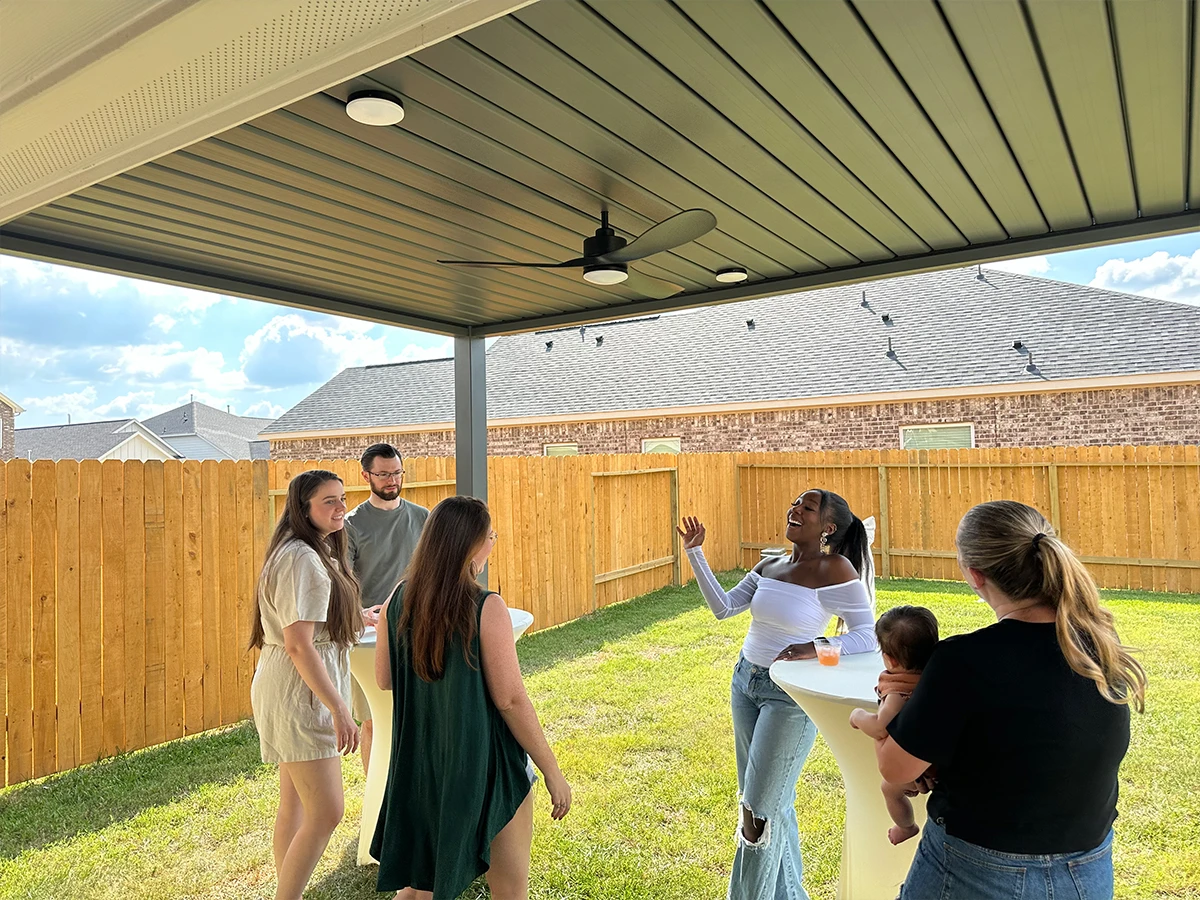
Residential Applications

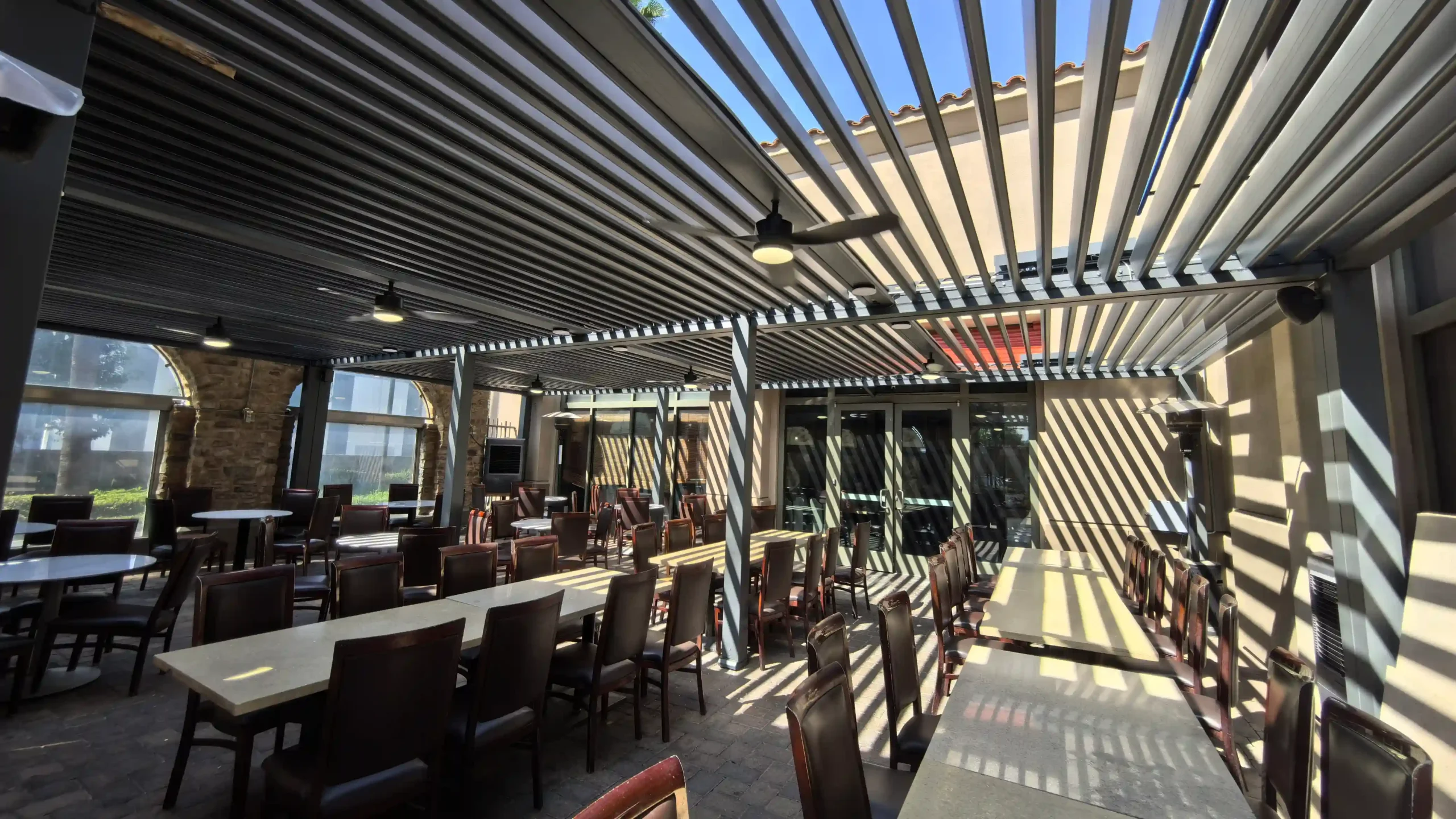
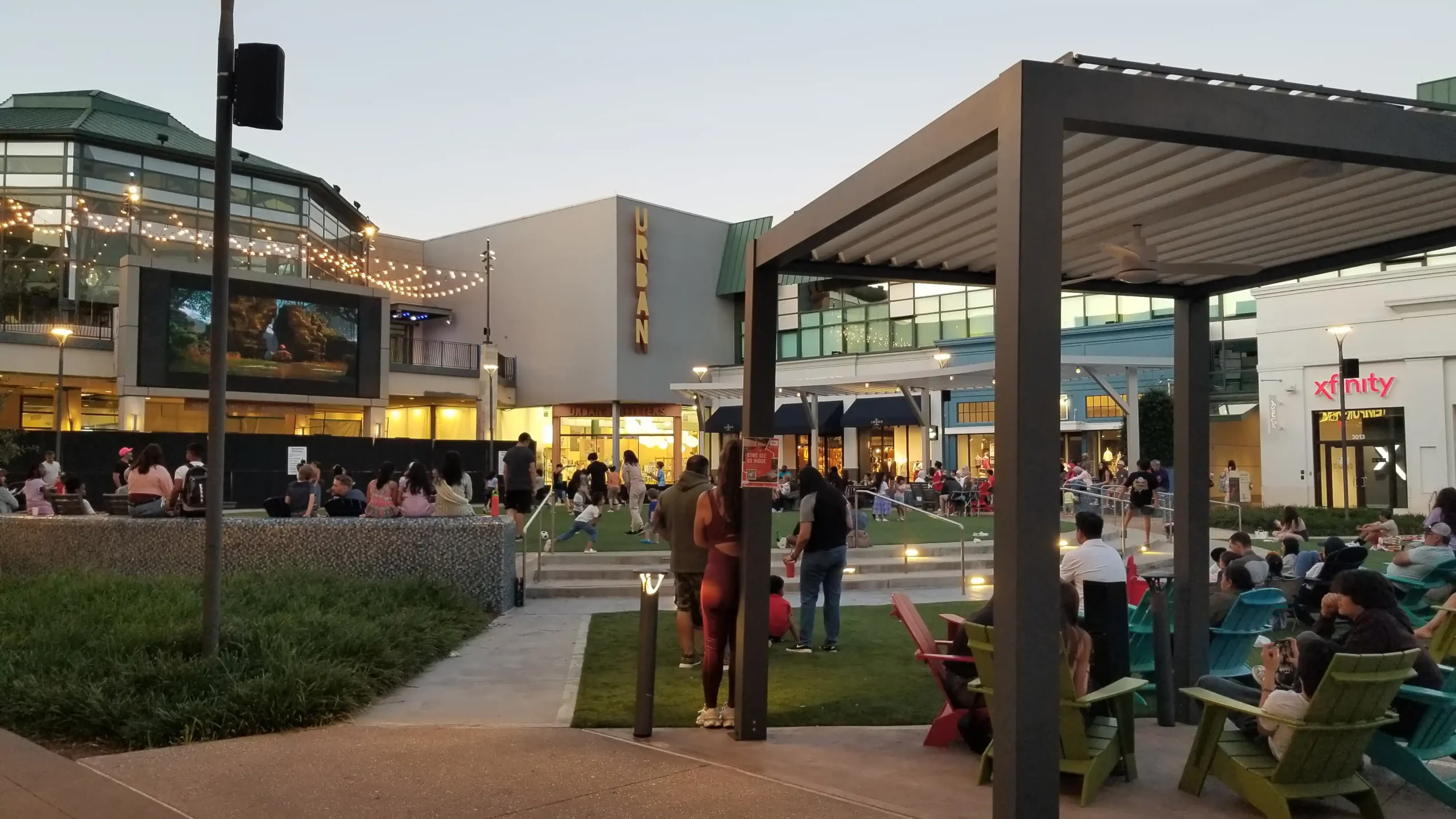
Commercial Application

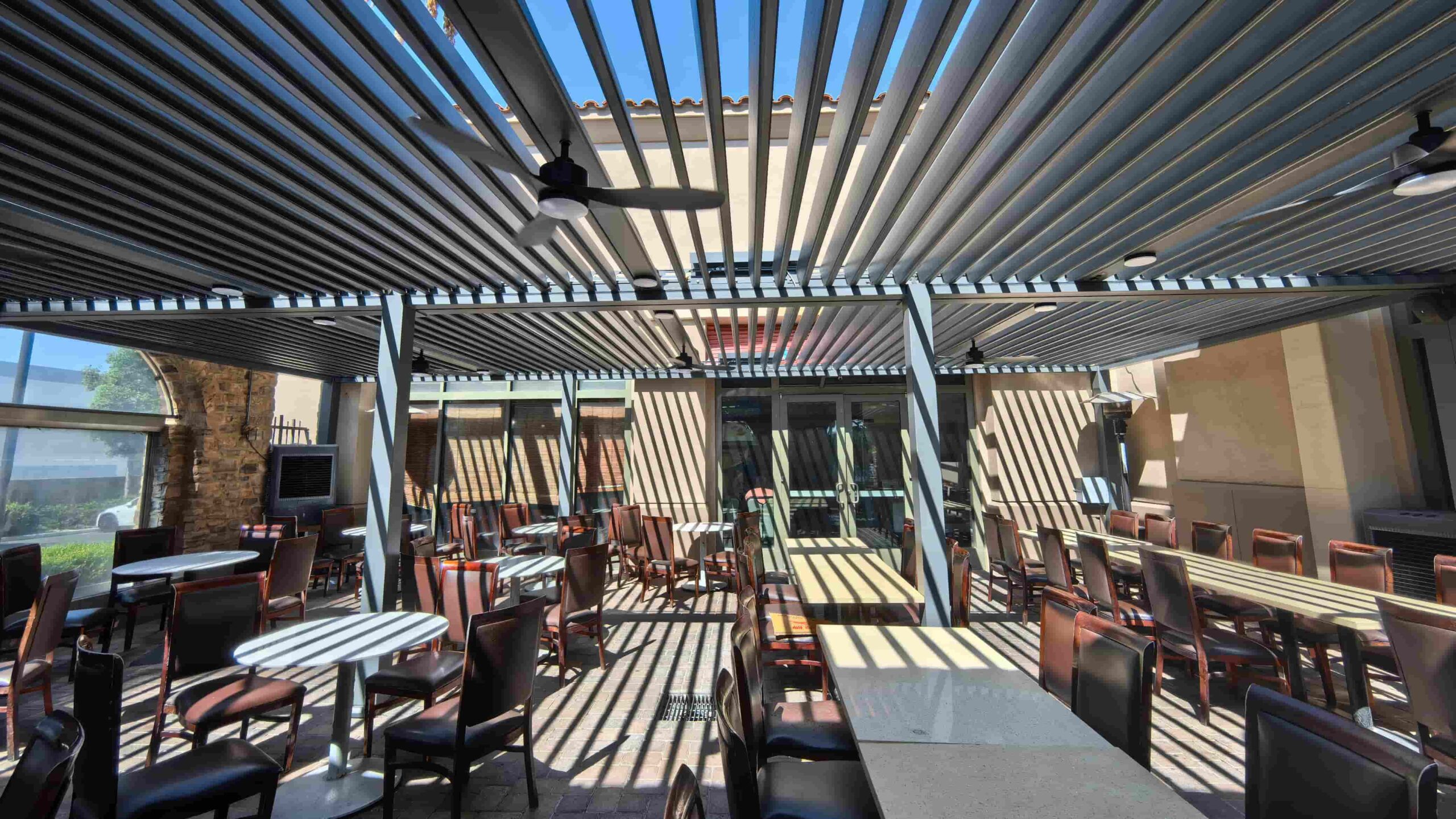
More and more architects are choosing solar pergolas for commercial projects because they are not only beautiful and functional but also help projects earn LEED certification credits.

Frequently Asked Questions

Q: Will a solar pergola work on cloudy days?

A: Yes. Our solar panels generate electricity even on cloudy days, and the large-capacity battery stores enough power to support normal operation for over a week.
 

Q: Are solar pergolas really waterproof?

A: Yes. When the louvers are fully closed, rubber seals between the blades create a completely waterproof barrier, and when combined with our hidden drainage system, ensure 100% watertight performance.
 

Q: Do I need a building permit to install a solar pergola?

A: In most areas, a building permit is required to install permanent outdoor structures. Our solar pergolas fully comply with building codes across the United States, and we provide all necessary documentation to help you obtain your permit smoothly.
 

Q: How much electricity can a solar pergola generate?

A: A standard-sized solar pergola can generate approximately 3,000-5,000 kilowatt-hours of electricity per year—enough to power all the pergola's functions and provide additional electricity for your home.

Conclusion

A pergola is an investment that significantly enhances your quality of life and increases the value of your property. But in 2026, traditional fixed-roof pergolas are no longer the best option. Solar pergolas combine all the benefits of traditional pergolas with adjustable motorized louvered roofs and clean solar power generation, making them the ultimate solution for modern outdoor living.
If you're considering installing a pergola for your home or commercial project, we invite you to contact our professional team for a free design consultation and quote. We will work with you to create a custom solar pergola solution perfectly tailored to your specific needs.
Contact us to start your modern outdoor living journey!
Back to top of page
crossmenu