Sola-Site-Logo
Search

Home » Blog »Enclosing a Pergola Ideas: Transform Your Outdoor Space (Complete Guide)

Enclosing a Pergola Ideas: Transform Your Outdoor Space (Complete Guide)

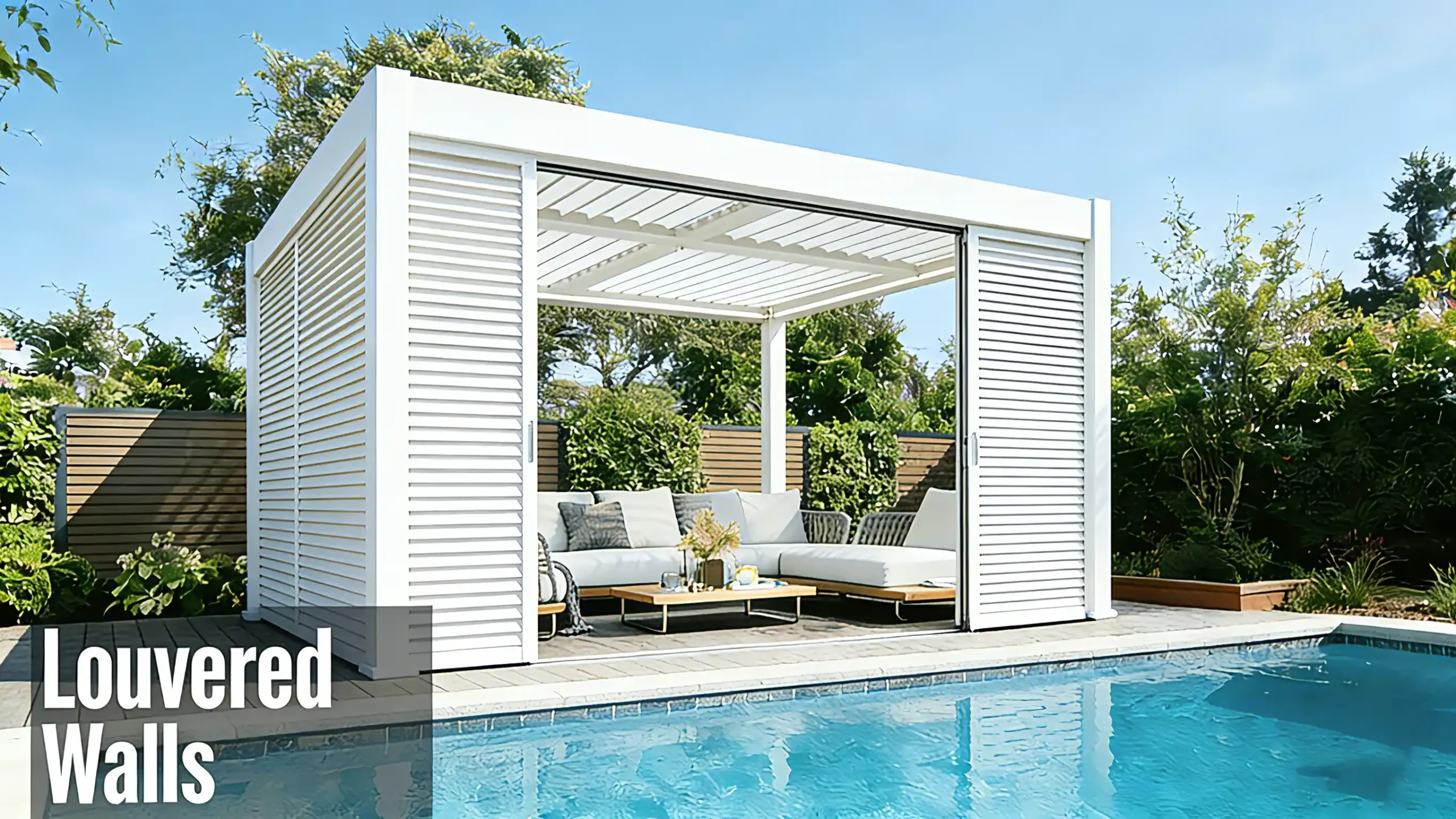
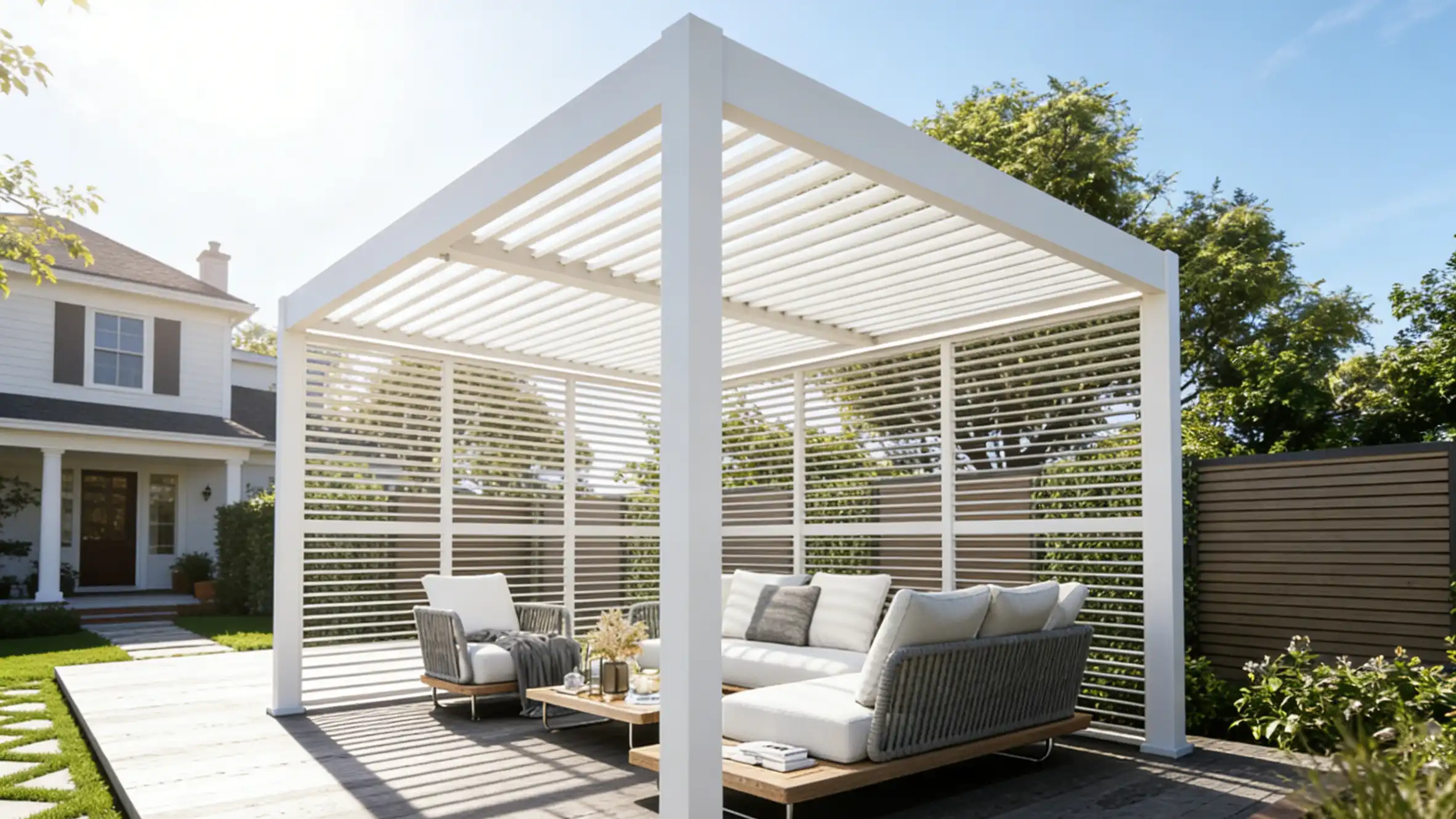
A modern white pergola with louvered walls for privacy, featuring outdoor seating, sits in the landscaped backyard.

Your pergola is the cornerstone of a vibrant outdoor living space—yet its open design often leads to underutilization due to weather concerns, privacy issues, or pest infestations. Enclosing your pergola is the ultimate upgrade to address these pain points, creating a versatile area for relaxation, family gatherings, or quiet reflection. Wondering how these ideas work in real scenarios? You can browse our Pergola Case Studies to view real user projects, which will provide you with more intuitive inspiration for your own enclosure plan.

This guide comprehensively outlines key project steps: from preliminary planning essentials to selecting the right pergola privacy solution, from choosing DIY or professional installation to long-term maintenance of enclosed pergolas. Each section offers practical insights with clickable links to in-depth guides, helping you access tailored, detailed recommendations.
1. Key Pre-Planning Considerations for Success

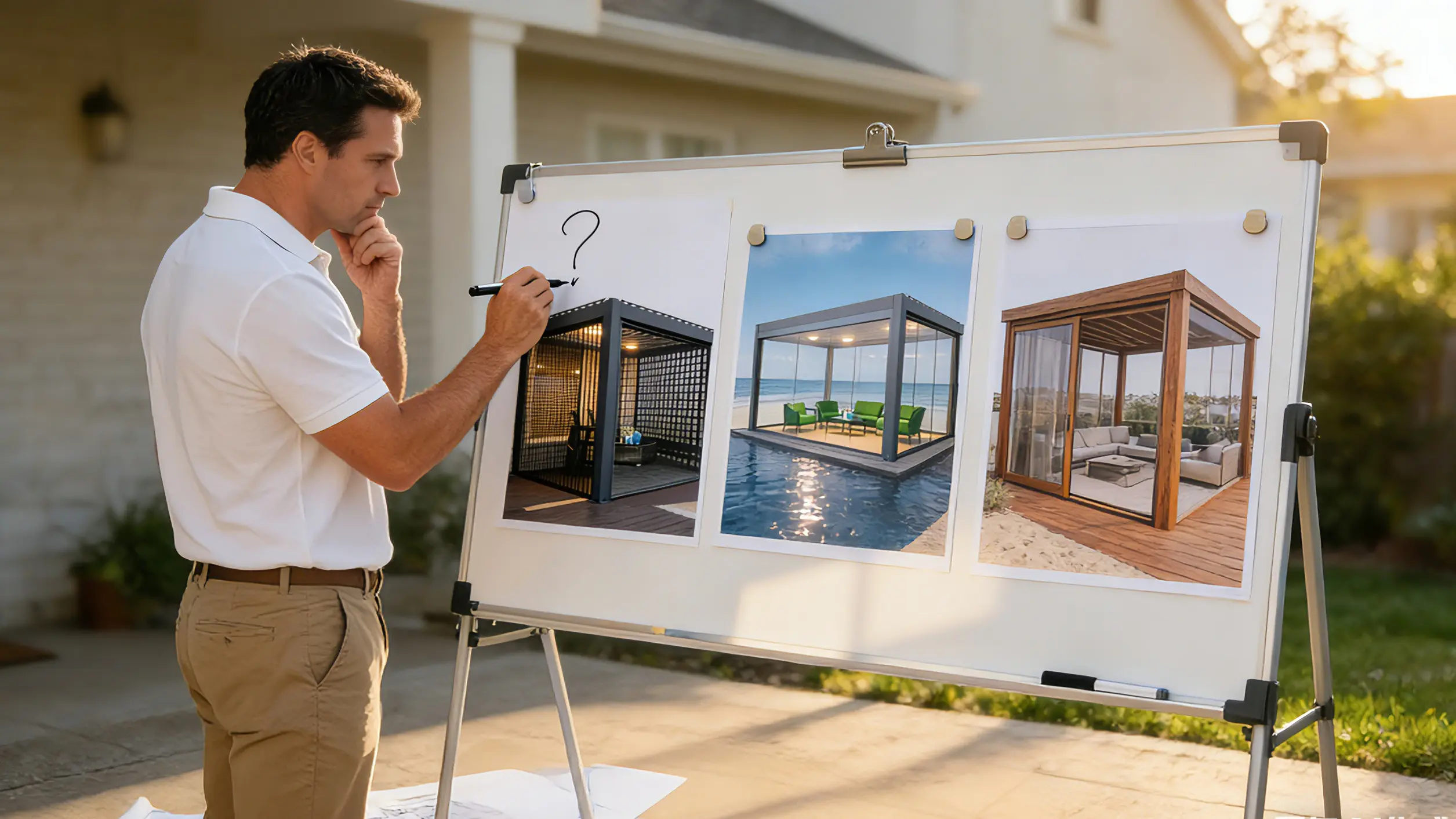
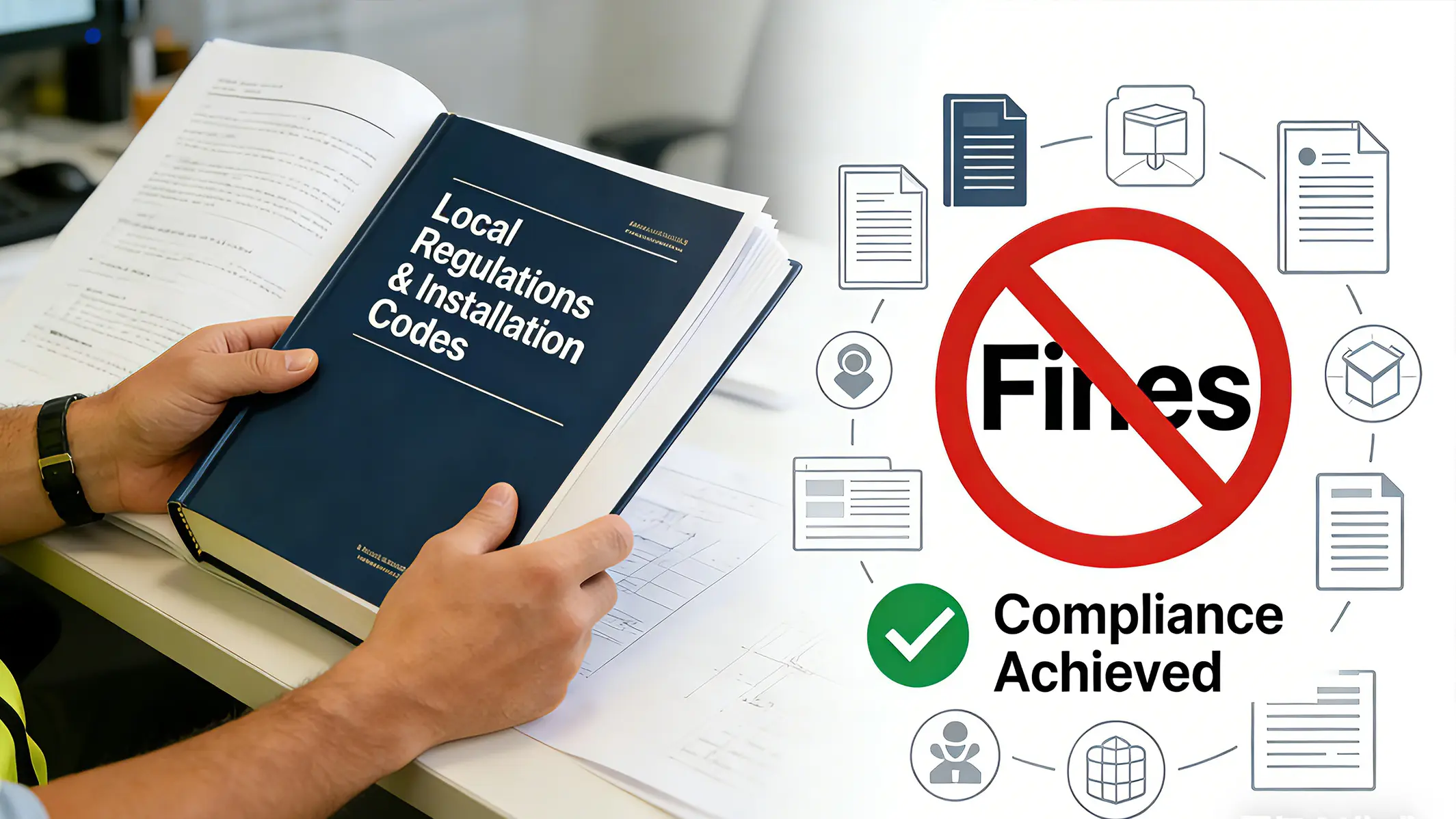
A man ponders enclosed pergola privacy design optionsPerson reviewing Local Regulations & Installation Codes manual, with graphics showing compliance.

A successful enclosed pergola project begins with three non-negotiable steps—skip these, and you'll face costly rework or mismatched solutions:

  • Clarify Goals & Usage: Inspired by enclosed pergola designs, we began with core requirements—such as enhanced privacy, weather resistance, and insect repellency. This approach guided us toward the optimal structural solutions: mesh materials block pests, while glass provides shelter without compromising open views.
  • Set a Realistic Budget: Cost ranges span from budget-friendly options (folding screen doors or basic canvas roller shades) to premium investments (solar-powered wind-resistant roller shades), ensuring your budget aligns with long-term value. For instance, selecting aluminum as the primary material significantly enhances durability.
  • Check Local Regulations: Before starting an enclosed pergola project, be sure to review local building codes. In some areas, structural modifications require permits, especially when adding an enclosed pergola alters the building's footprint. Consulting local professionals can help you avoid fines and ensure your project meets safety standards.

2.Multiple Privacy-Creating Solutions for Enclosed Pergolas

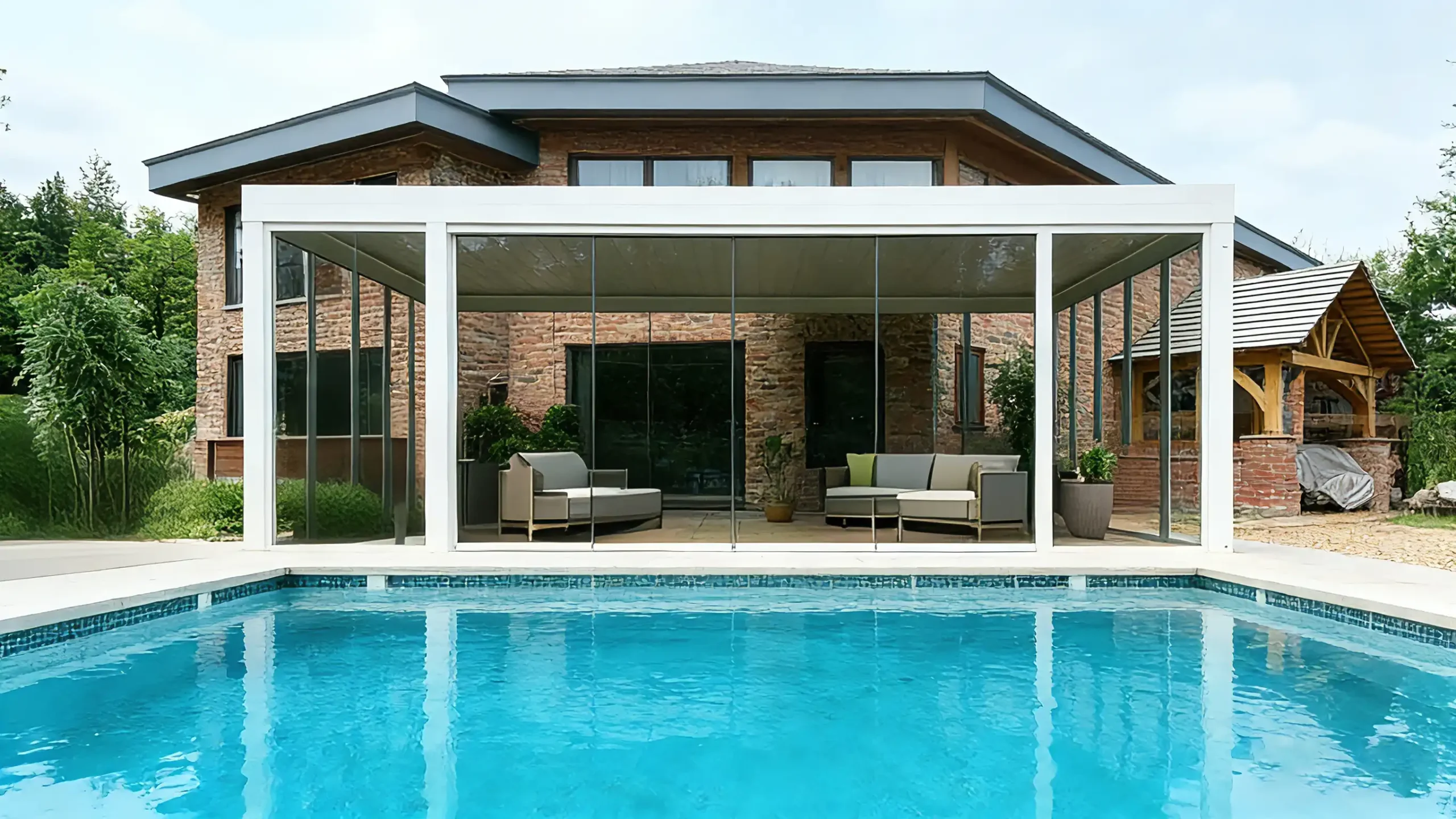
Motorized Retractable Patio ScreenWhite pergola with louvered wall, outdoor seating, adjacent to a swimming pool.Poolside outdoor pergola with sideways sliding glass doors, white frame, and lounge seating.Enclosed pergola with folding screen doors, black frame, adjacent to a residential home.
Privacy is the cornerstone of a usable pergola—whether you’re blocking prying eyes, shielding from wind/rain, or keeping bugs at bay, the right enclosure solution will transform your open structure into a year-round outdoor retreat.
There are 4 primary privacy-focused solutions for enclosed pergolas, each tailored to different climates, budgets, and usage scenarios:
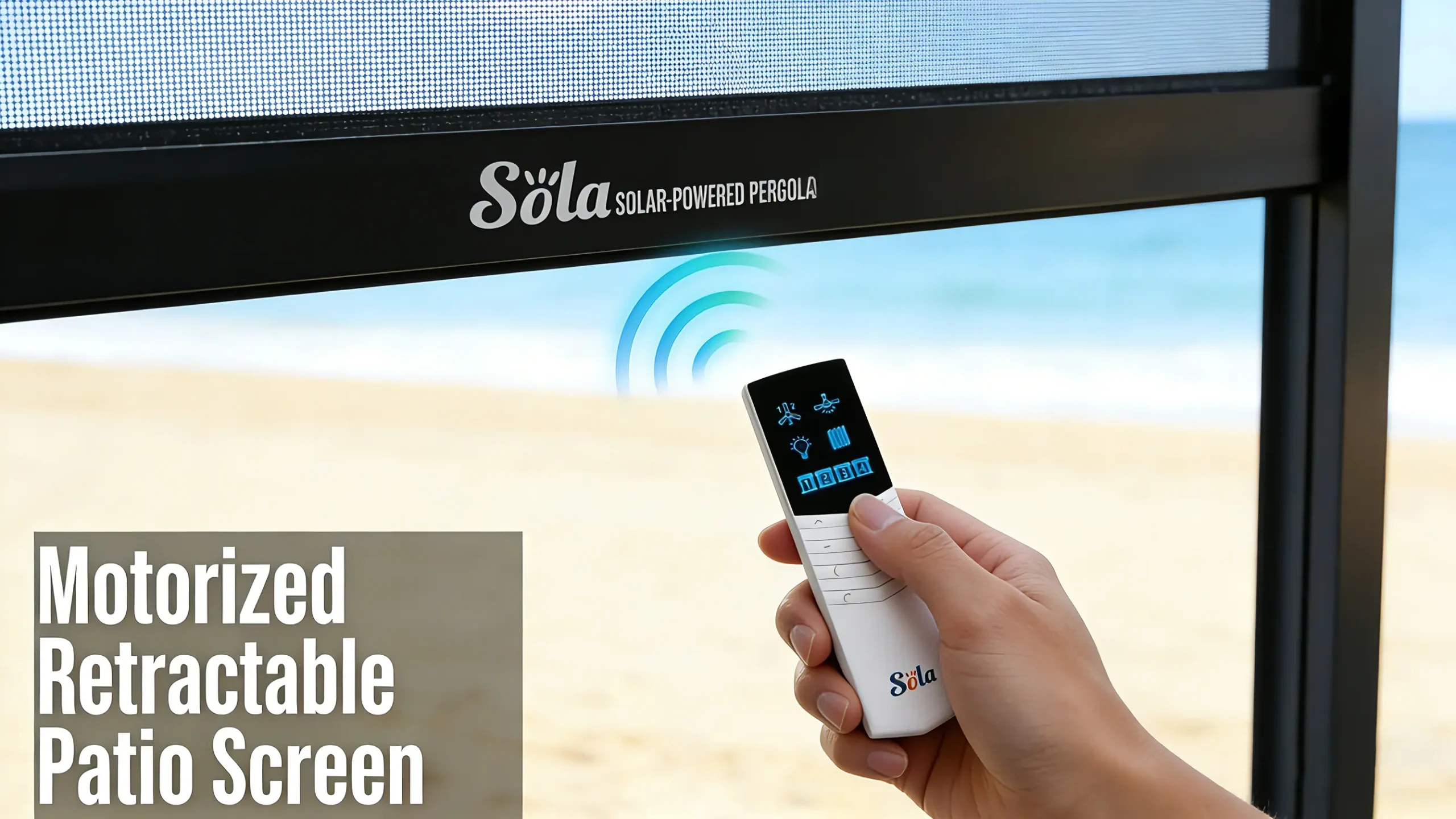
  • Pergola Privacy Screens: Flexible, easy to adjust, and available in manual or solar-powered motorized options.
  • Pergola Privacy Walls: Louvered or solid designs for permanent seclusion, perfect for harsh weather or solo tranquil retreats.
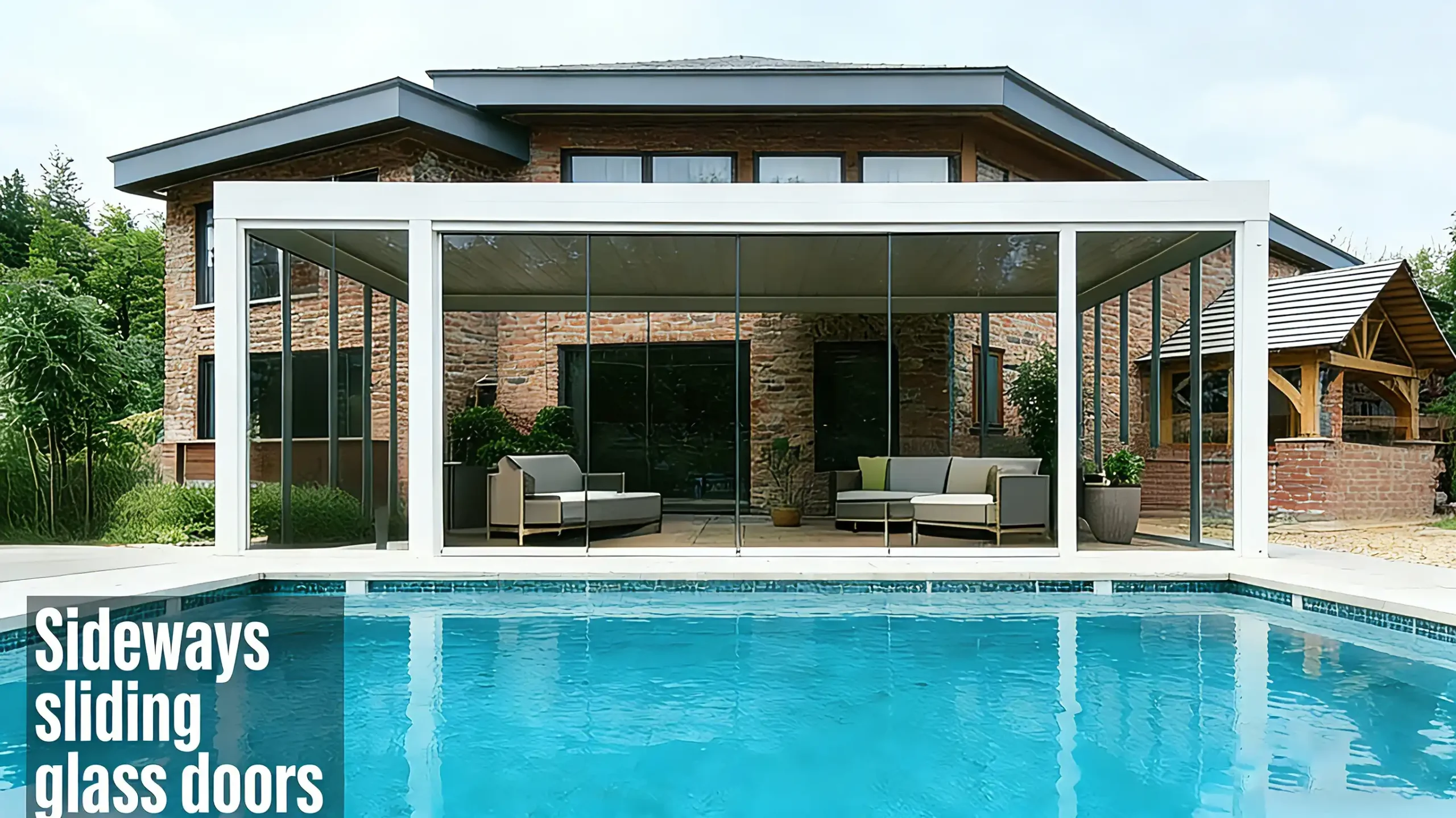
  • Glass Sliding Doors: A premium choice that blends elegance, unobstructed views, and weather protection—especially suited for coastal homes.
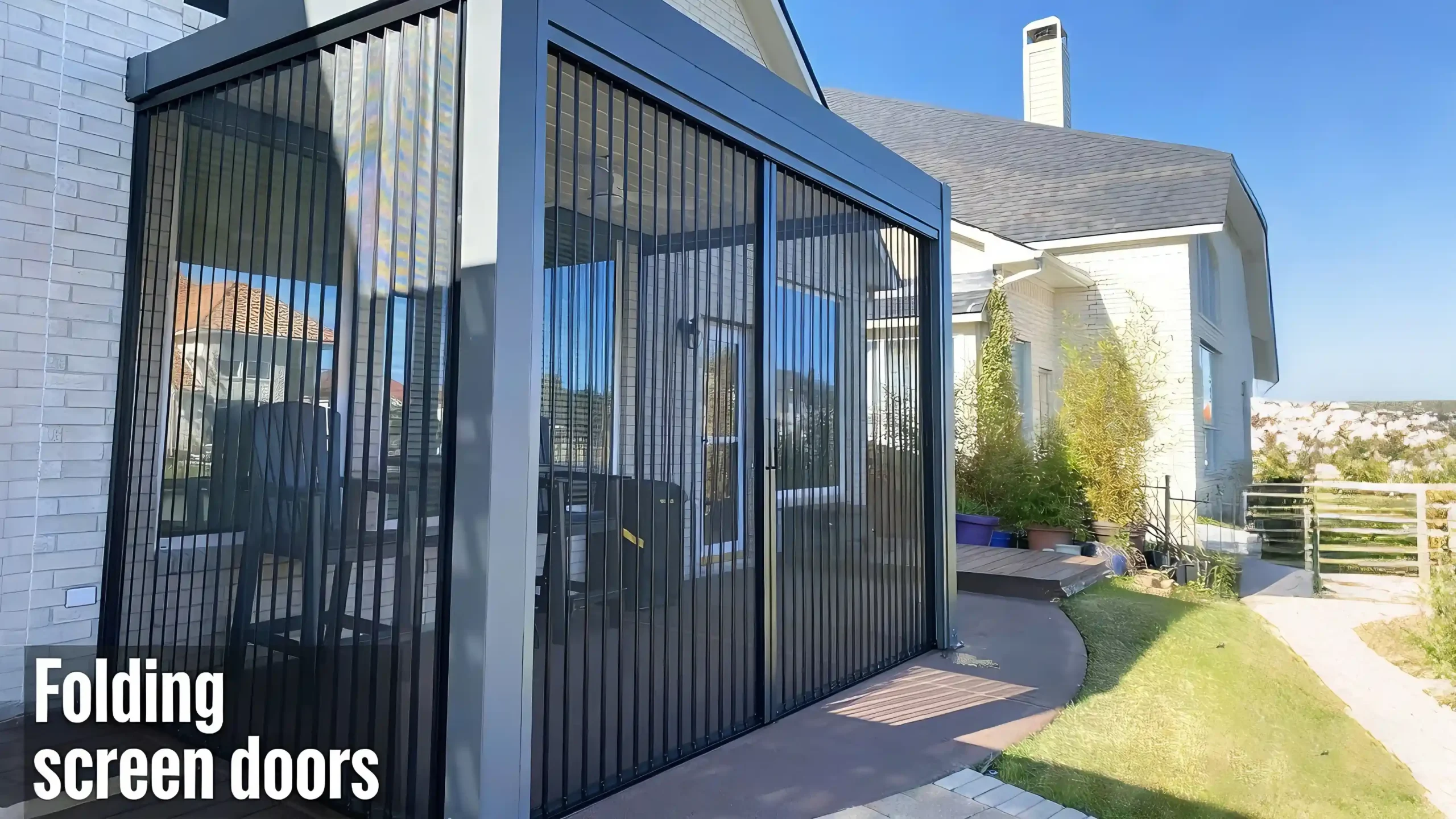
  • Folding Screen Doors: Budget-friendly, breathable, and foldable for mild climates, prioritizing airflow while blocking insects.
Each solution has unique pros, cons, and ideal use cases—from coastal salt-air resistance to budget-friendly DIY compatibility. For a detailed head-to-head comparison, climate-specific recommendations, and a step-by-step decision checklist, read our dedicated guide:

3.DIY vs. Professional Installation: What to Choose

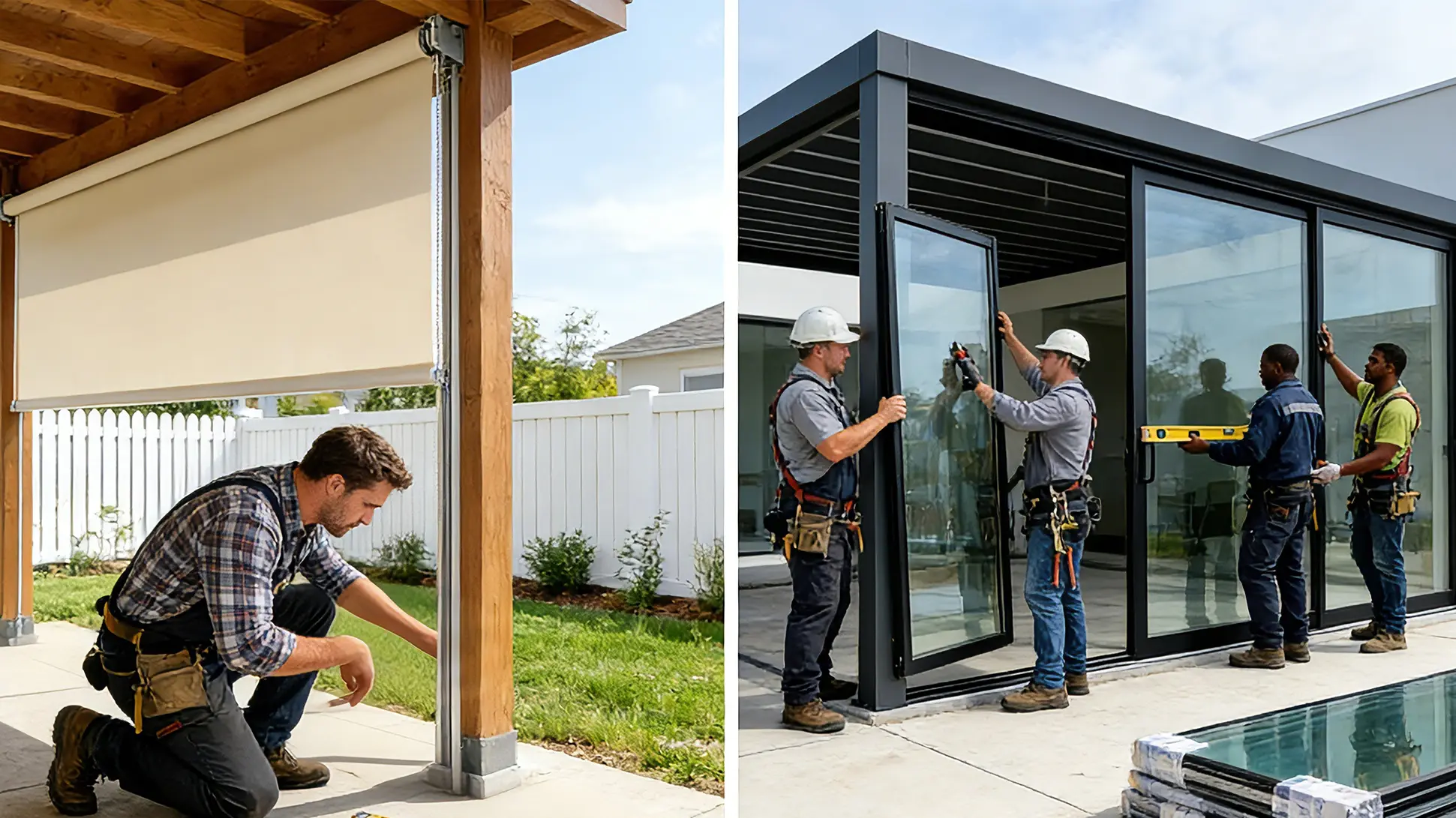
DIY vs. Professional Enclosed Pergola Installation

Your installation path depends on your skill level, budget, and the complexity of your project. For detailed cost analysis, step-by-step DIY guides, and professional installation service resources, refer to our DIY vs. Professional Installation Comparison Guide. Key takeaways:

  • DIY-friendly: Manual retractable screens and folding doors (pre-drilled hardware, simple tools required—ideal for budget-conscious DIYers).
  • Professional-grade options: Motorized/solar shades, privacy partitions, and glass doors (requires precision installation, structural knowledge, or electrical engineering—minimizes errors/warranty disputes).
  • Trade-offs: DIY saves labor costs but carries operational risks; professional installation ensures safety, efficiency, and warranty protection.

4. Maintenance Tips for Your Enclosed Pergola

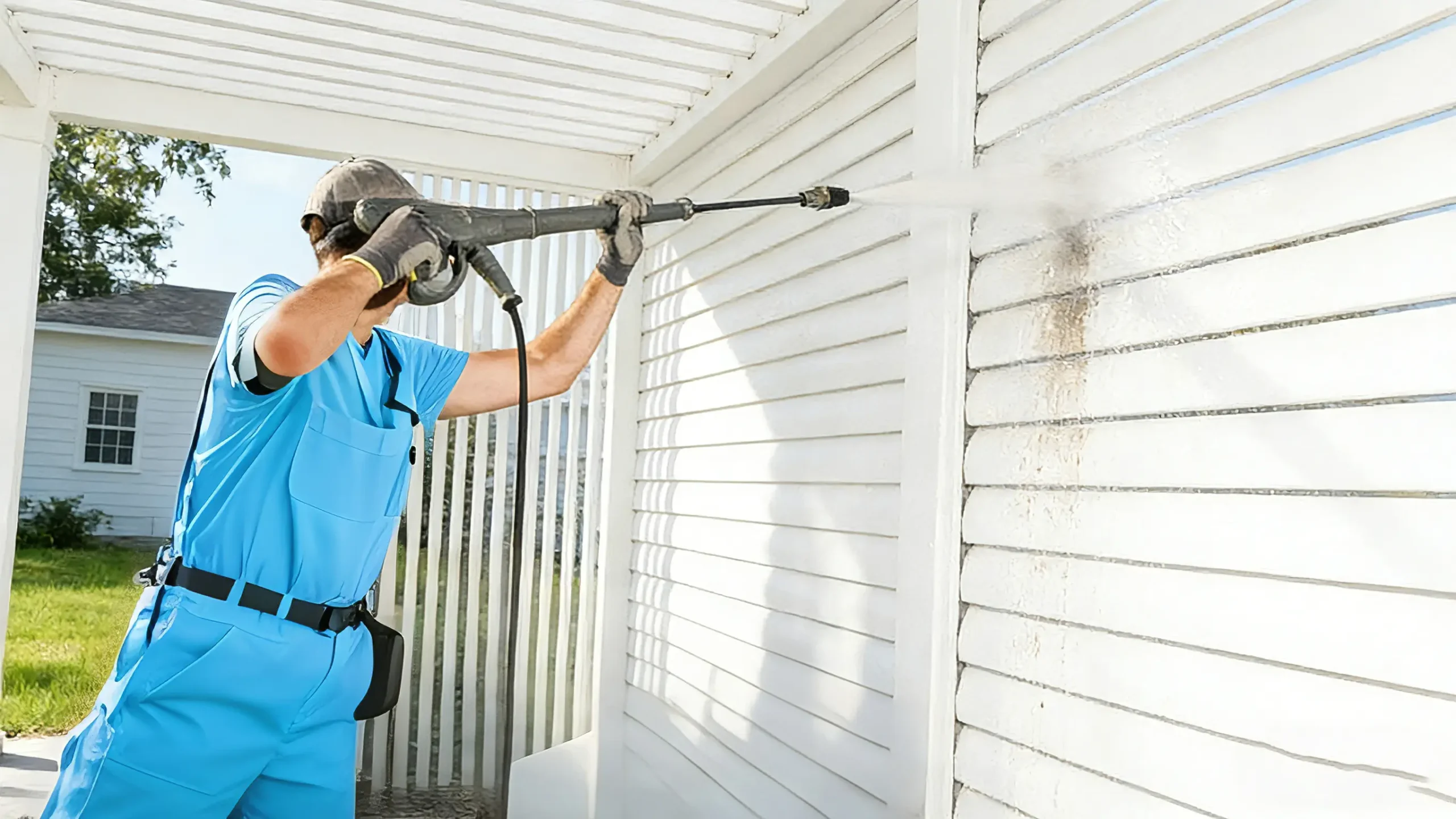
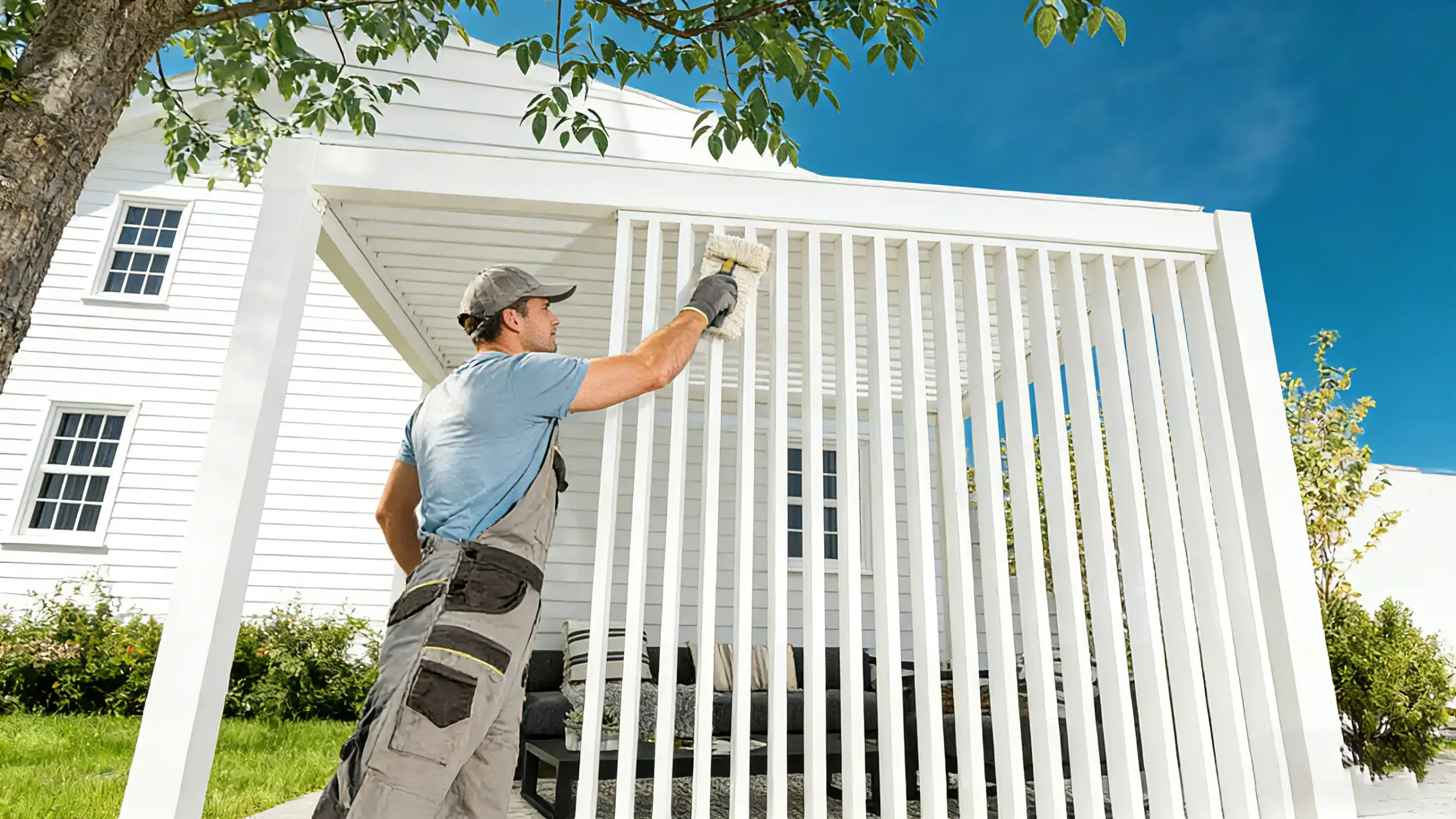
Worker pressure-washing louvered wall of a white outdoor pergolaA man is cleaning the louvered wall of a white outdoor pergola, where lounge seating is placed inside
Proper care extends your enclosure’s lifespan by 5-10 years. For tailored care guides (per solution), climate-specific tips, and troubleshooting, check our pergola maintenance guide. Core principles:
  • Regular Cleaning: Remove dirt, pollen, or coastal salt residue (use low-pressure hoses to avoid fabric/glass damage).
  • Seasonal Upkeep: Lubricate moving parts (silicone-based) twice a year; inspect fasteners, seals, and mesh for wear.
  • Climate Adaptations: Coastal areas need corrosion-resistant hardware; harsh climates require winter storage for folding doors.

5. Bring Your Enclosed Pergola Ideas to Life

Enclosing a pergola with the right privacy solution transforms your outdoor space into a versatile, all-weather retreat—whether you opt for budget-friendly folding screen doors, flexible privacy screen, stylish glass sliding doors, or durable privacy walls. Solar-powered options add sustainability, while professional installation and proper maintenance ensure your investment lasts for years. Ready to start? Click for a free quote or consultation to tailor solutions to your pergola’s size, style, and local climate.

6. FAQs About Enclosing a Pergola.


1. How much does an enclosed pergola cost?

Costs vary based on size, materials, and features. Basic screen enclosures start at $1,500-$3,000, while enclosed pergolas with roof designs range from $5,000-$15,000. Solar-powered models cost more upfront (typically $10,000-$20,000) but offer long-term energy savings.


2. Can I convert my existing pergola to an enclosed?

Yes—aluminum/wood pergolas work best. Standard sizes (10ft/12ft/13ft/14ft) fit pre-made solutions; custom sizes require professional tailoring.


3. What's the best roof material for enclosed pergolas?

Polycarbonate (affordable/UV-resistant), glass (sleek/transparent), or metal (harsh weather-durable). Solar designs pair best with polycarbonate/metal bases—learn more in our maintenance guide.
 

4. Do solar enclosed pergolas save energy?

Absolutely! Solar enclosed pergolas generate clean energy to power outdoor lights, fans, and appliances. On average, homeowners save $30-$70 per month on energy bills, depending on the size of the system and usage. Over time, the savings can offset the upfront cost of the installation.

Back to top of page
crossmenu